
(be)longing Exhibition
Now until 11th July 2026
This exhibition at Bethlem Gallery explores my complex relationship with belonging, unbelonging and longing. These deeply personal new works touch on themes of family estrangement, neurodivergence and the generational impact of adoption. Each strand of work is exhibited as a snapshot of larger bodies of work, or some that are currently in their infancy. Many of these works are a step away from a solely photographic practice, with works on show consisting of drawings, inks, moving image and working with archival material.
The culmination of works and thinking from across the last five years, the exhibition also follows a research programme commissioned by Bethlem Gallery that saw me curate a series of creative workshops, panel talks and a symposium held in 2025 that supported me to explore these themes from multiple perspectives.
Alongside my own work I also supported two micro-commissions for artists Nina Gross and Michael Mendones to create and exhibit works on the theme of belonging alongside my own.
Watch this short film below of me talking about the works in the exhibition, created by Africa Barrero-Alexander.
Exhibition & Events:
Currently on show:
Past Events:
In Conversation with Karim Sultan, April 2026. If you would like to watch this recording, get in touch.
Essay:
Shop
Supported by:
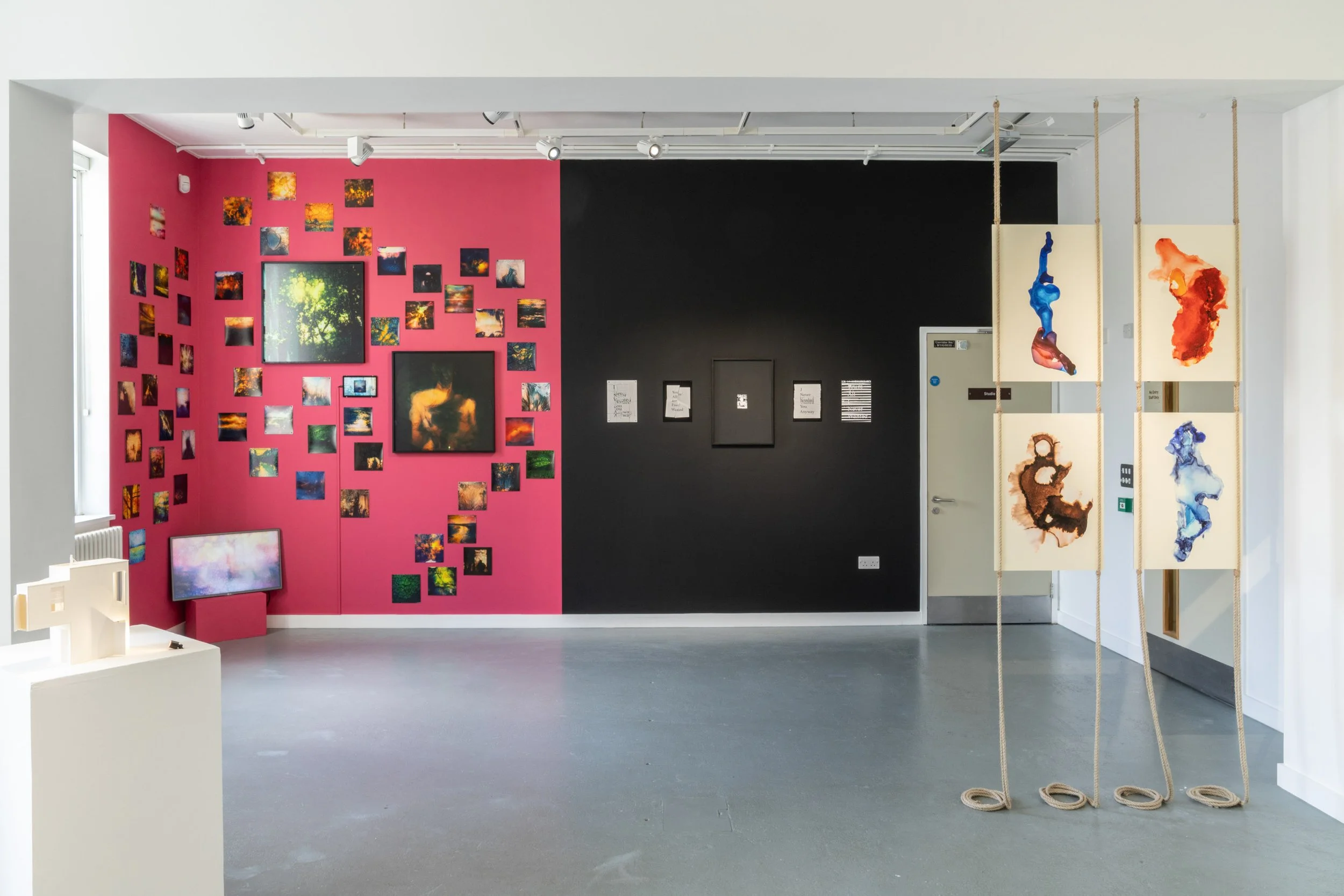
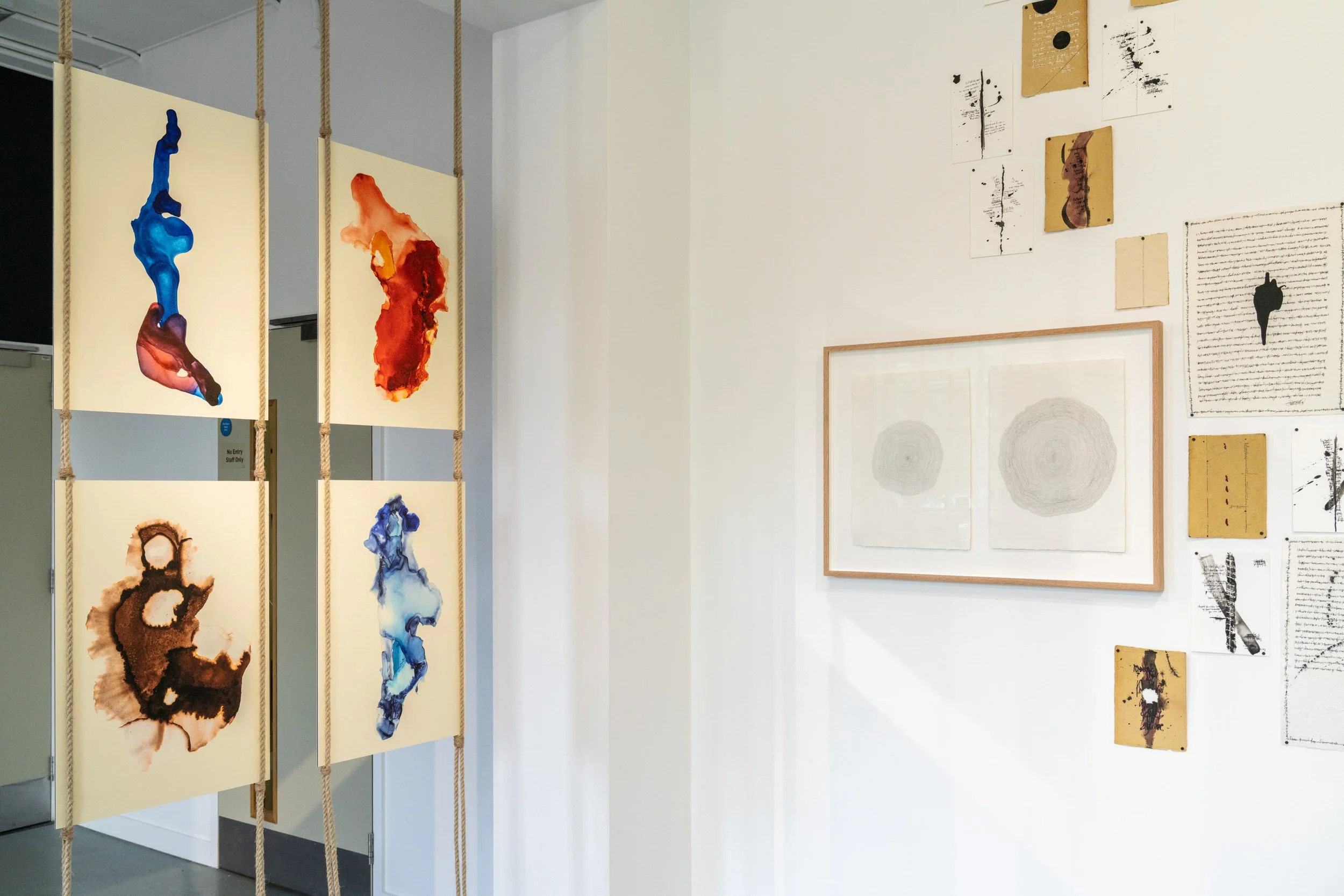
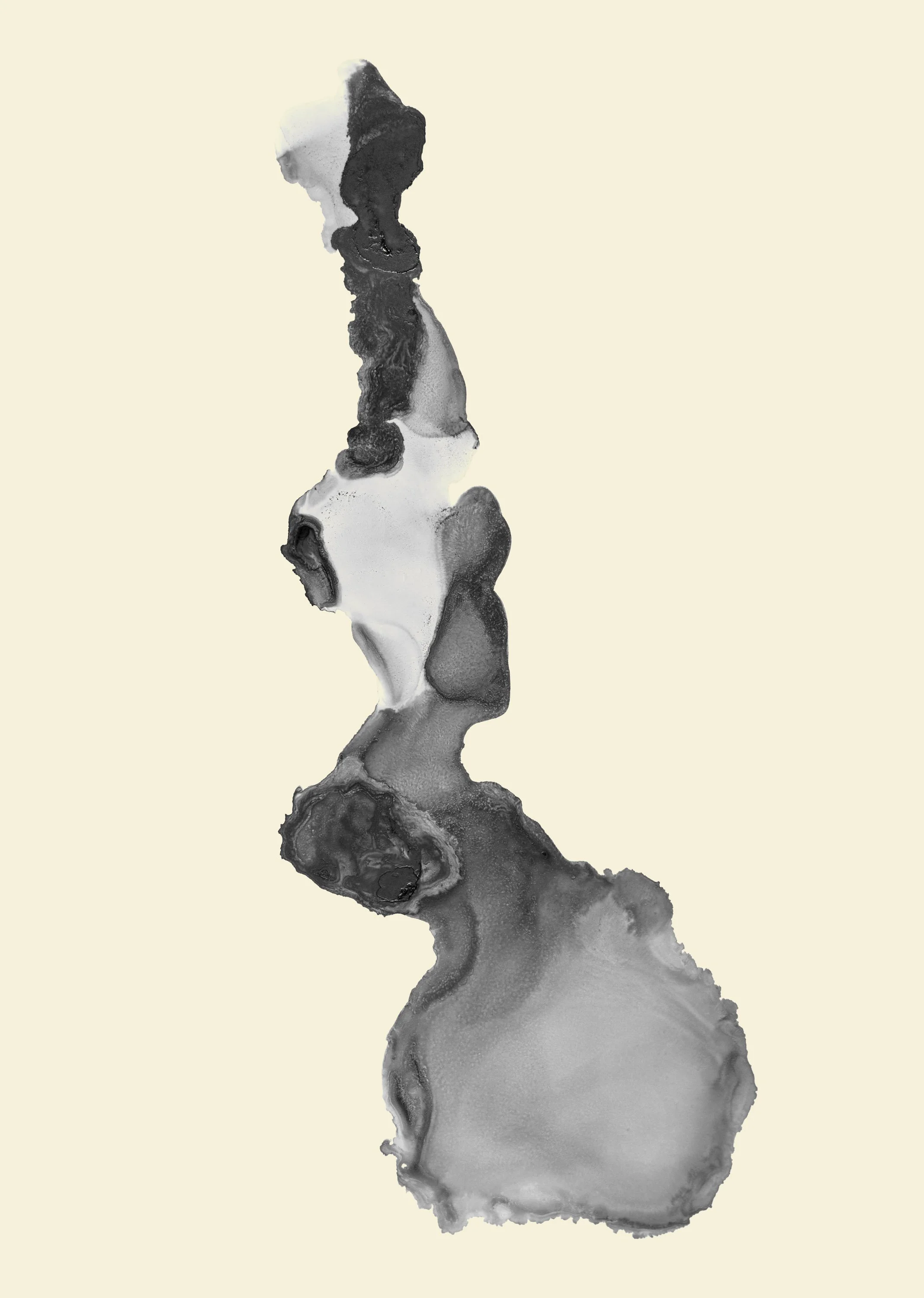
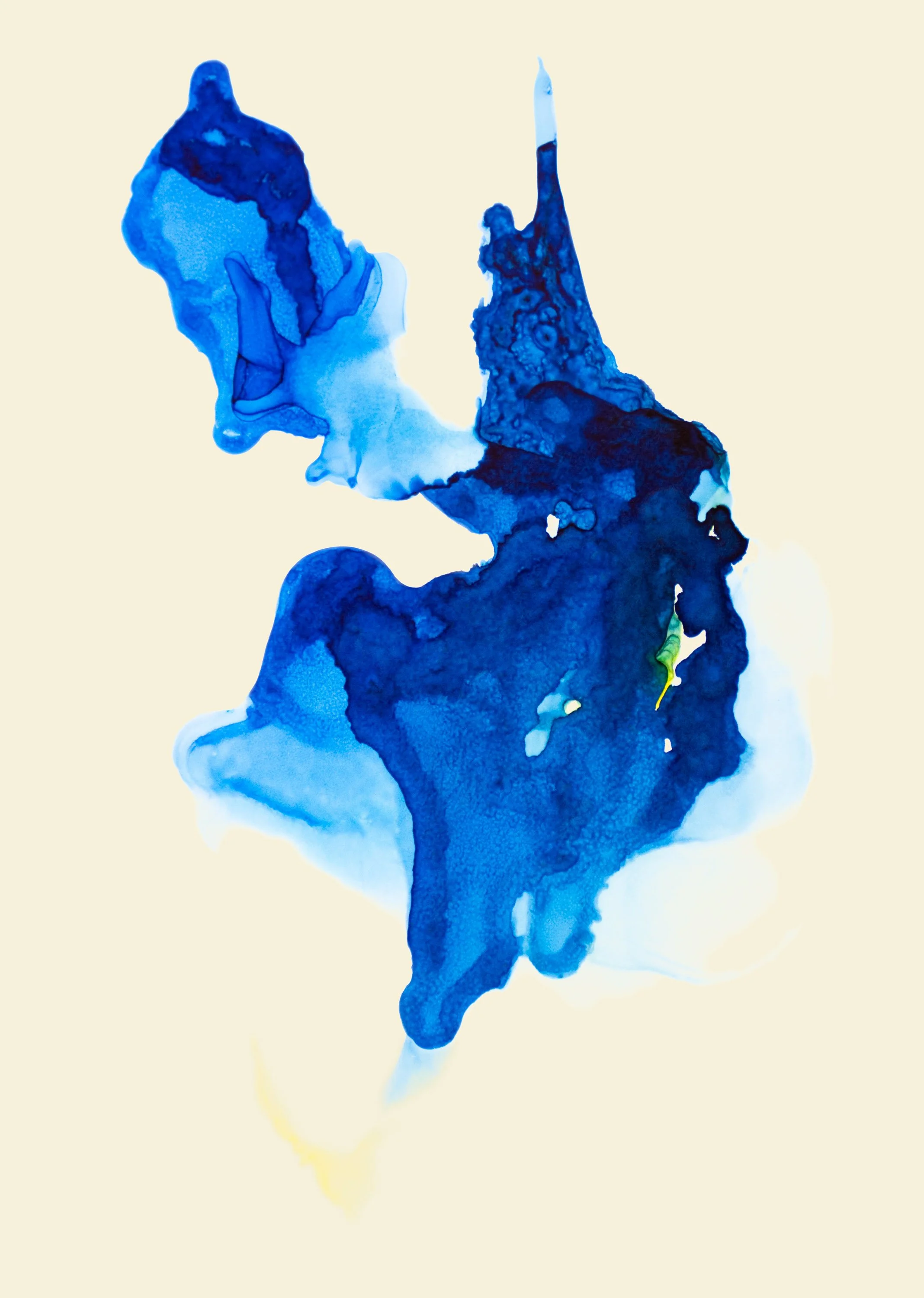
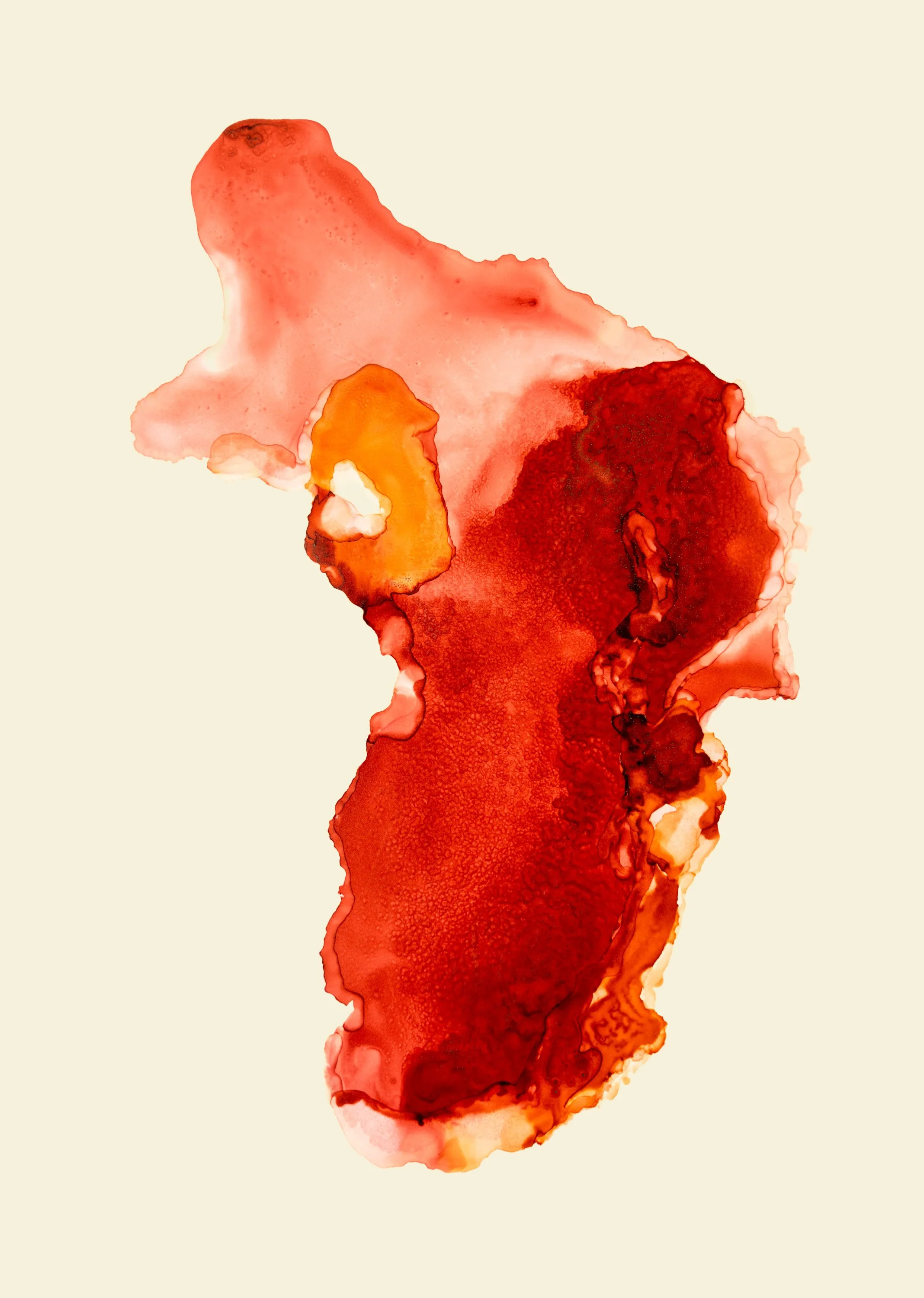
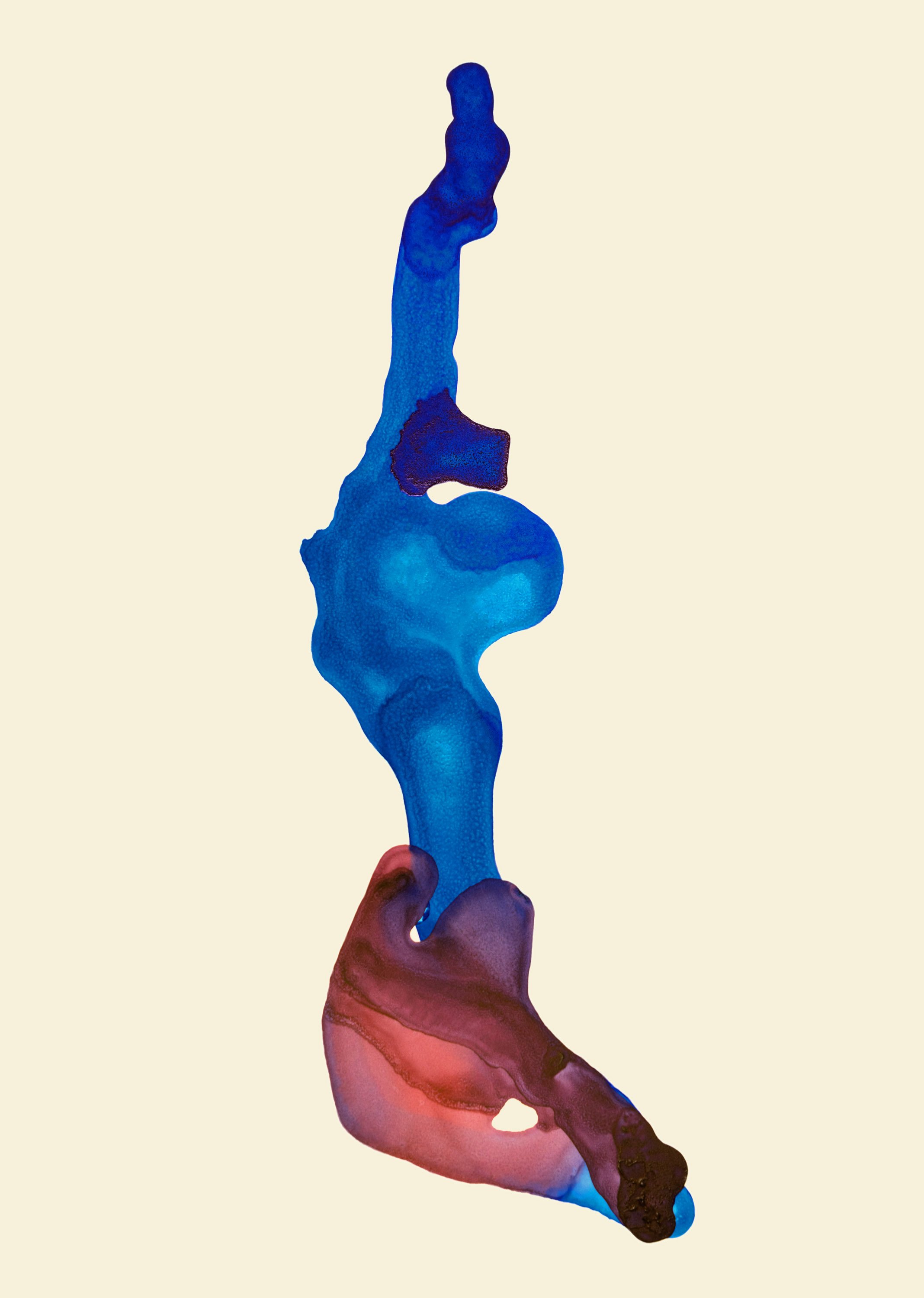
Islands
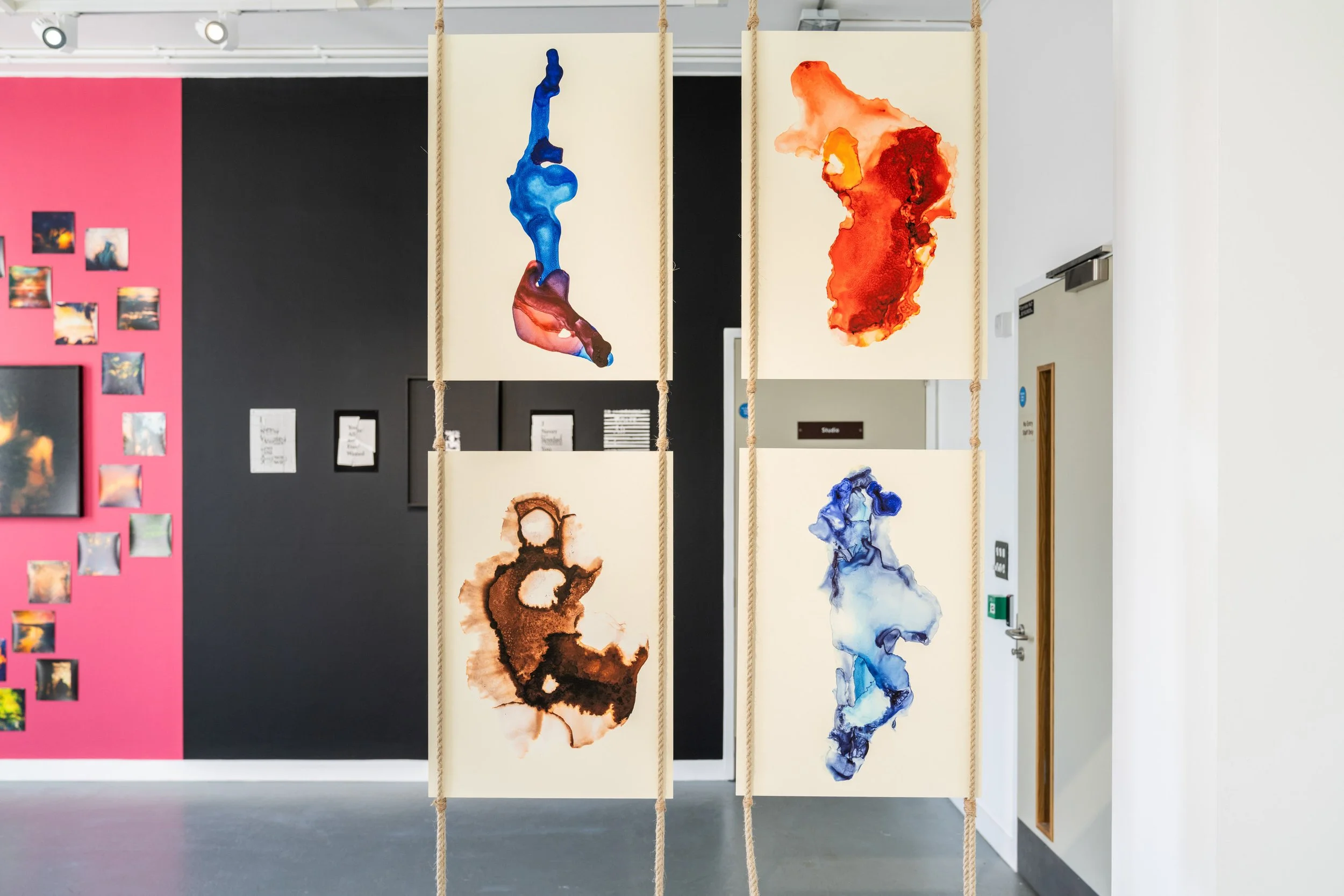
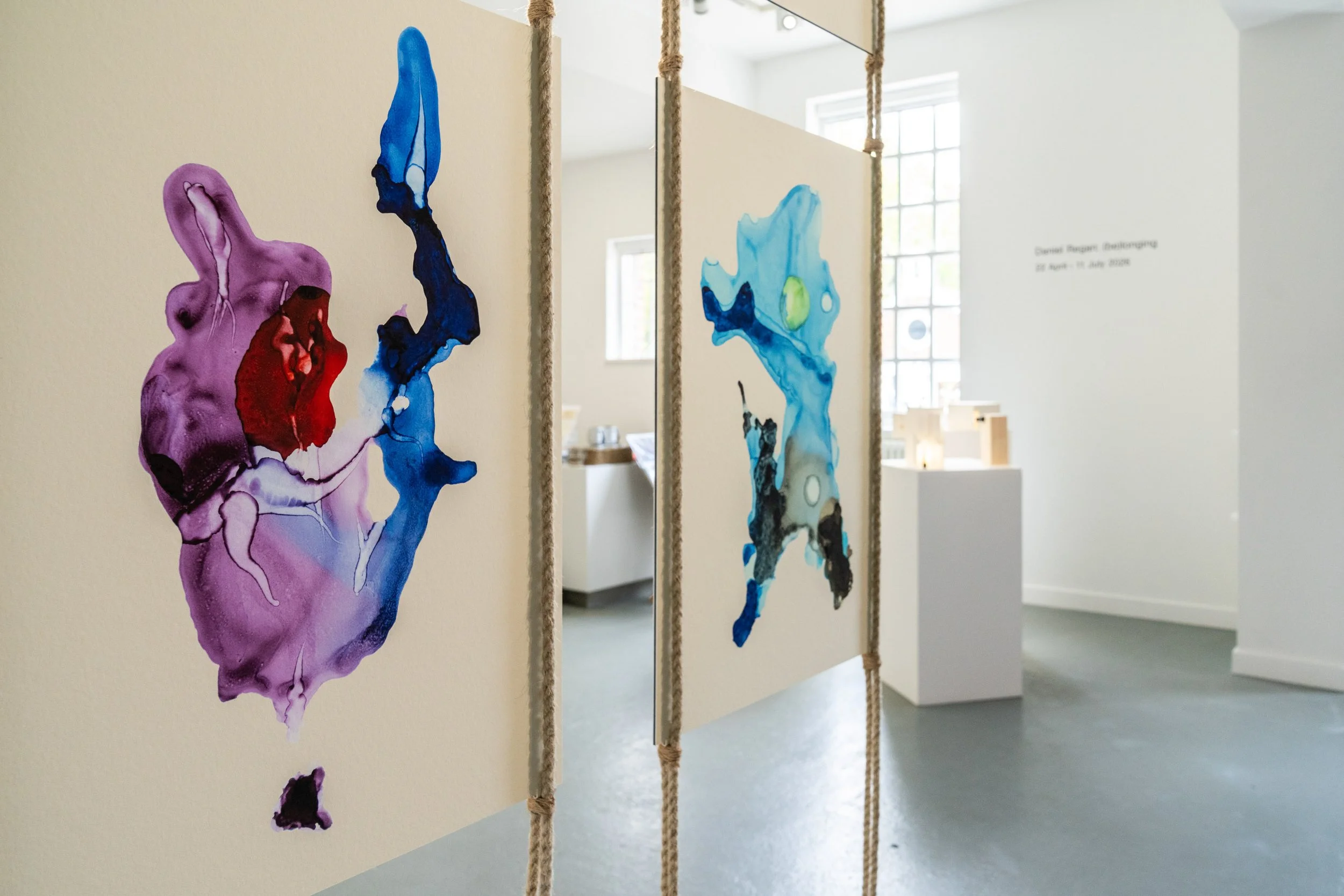
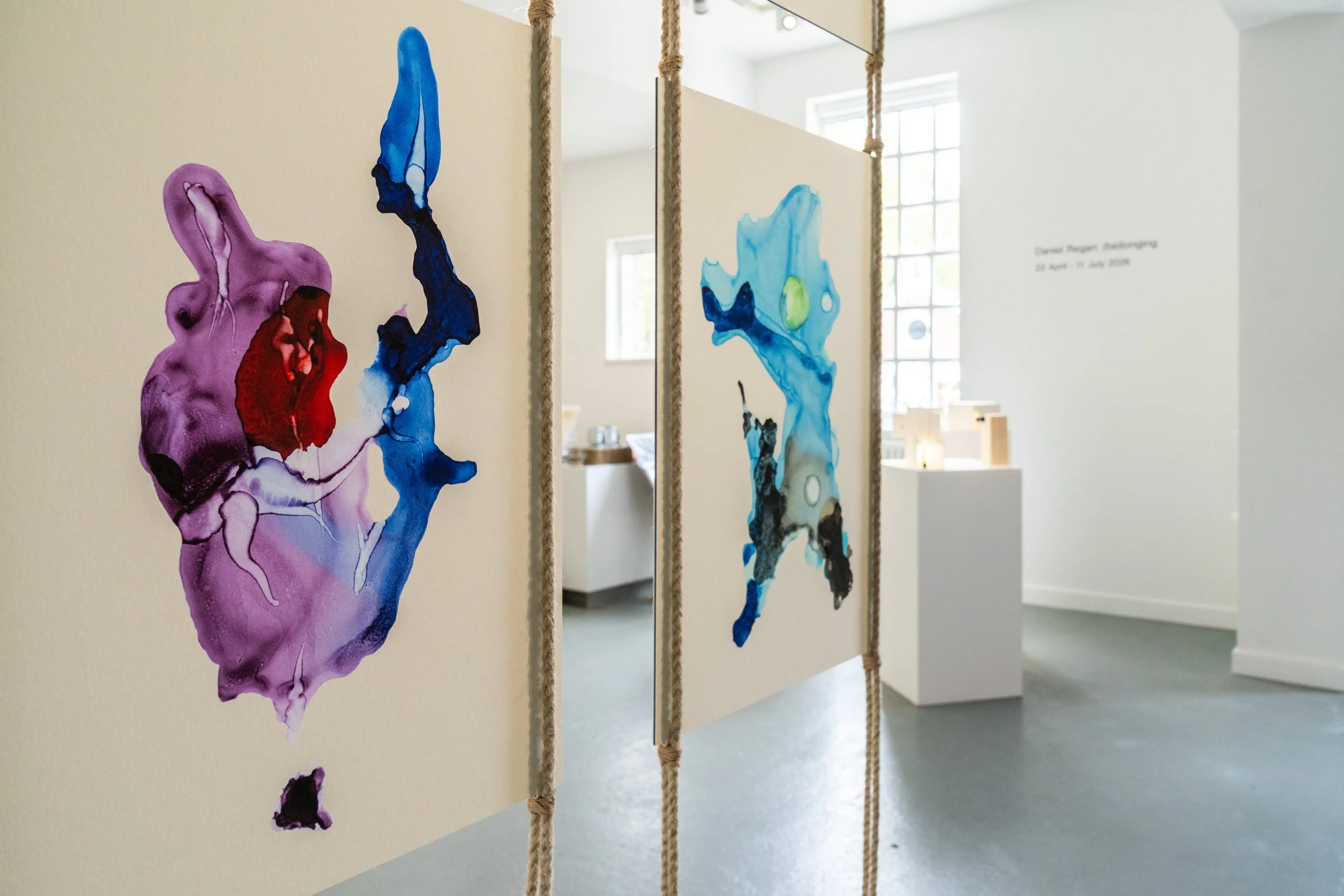
“Last night I had a dream where different versions of myself were alone on individual islands. Each version of myself was a different age and I would watch people almost making it to the shores before they would drift off into the distance, leaving me to look out into the endless waters.”
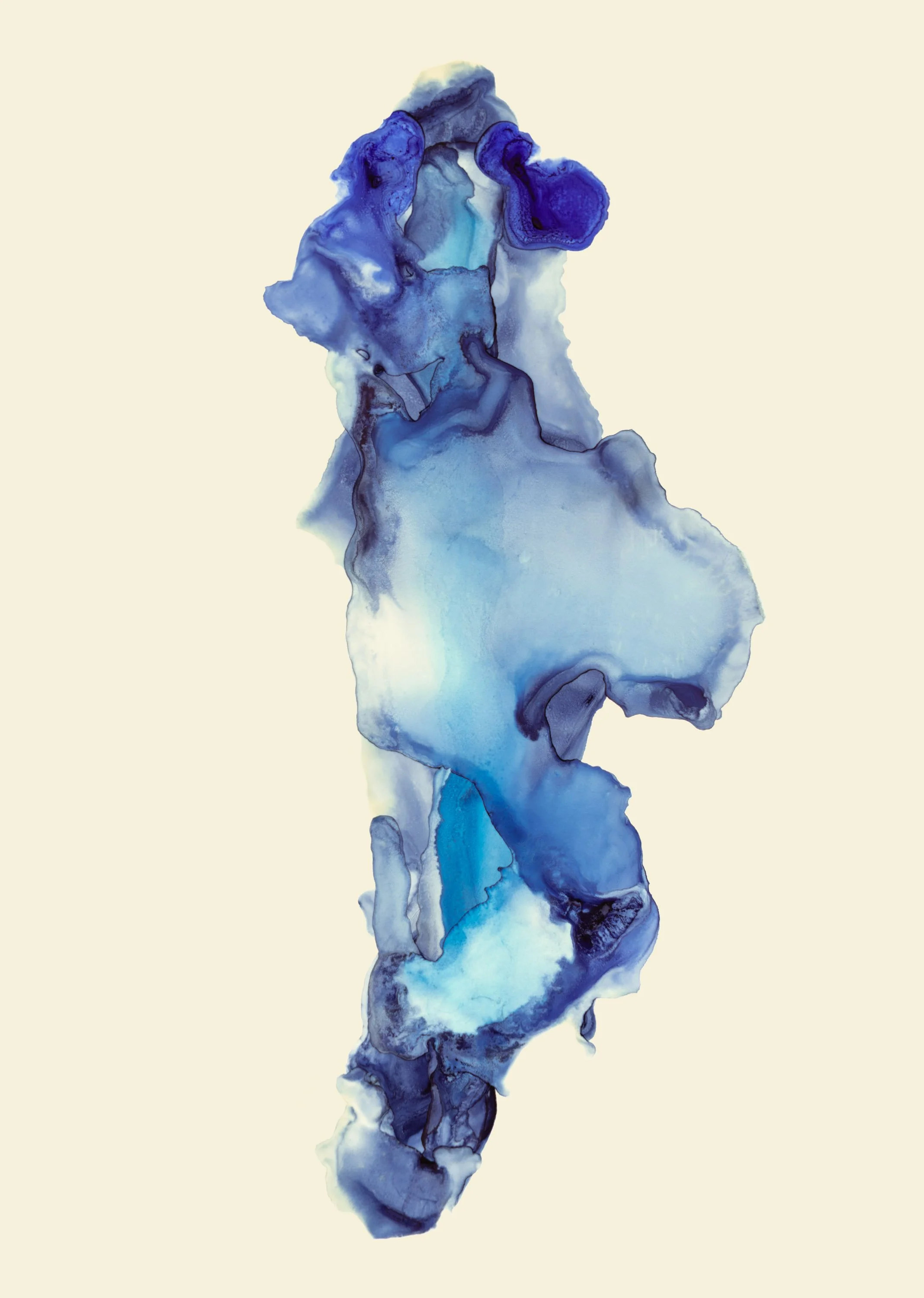
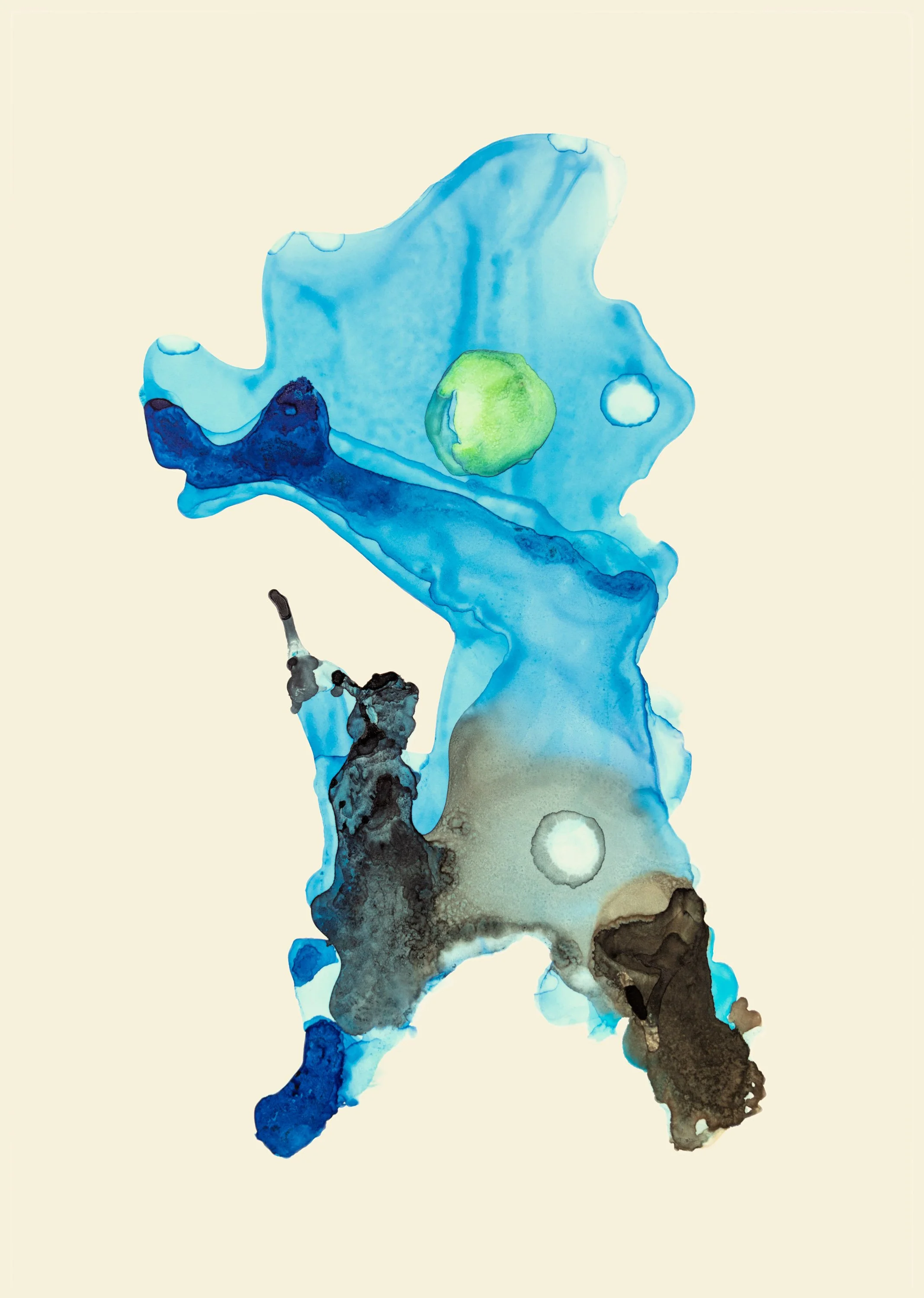
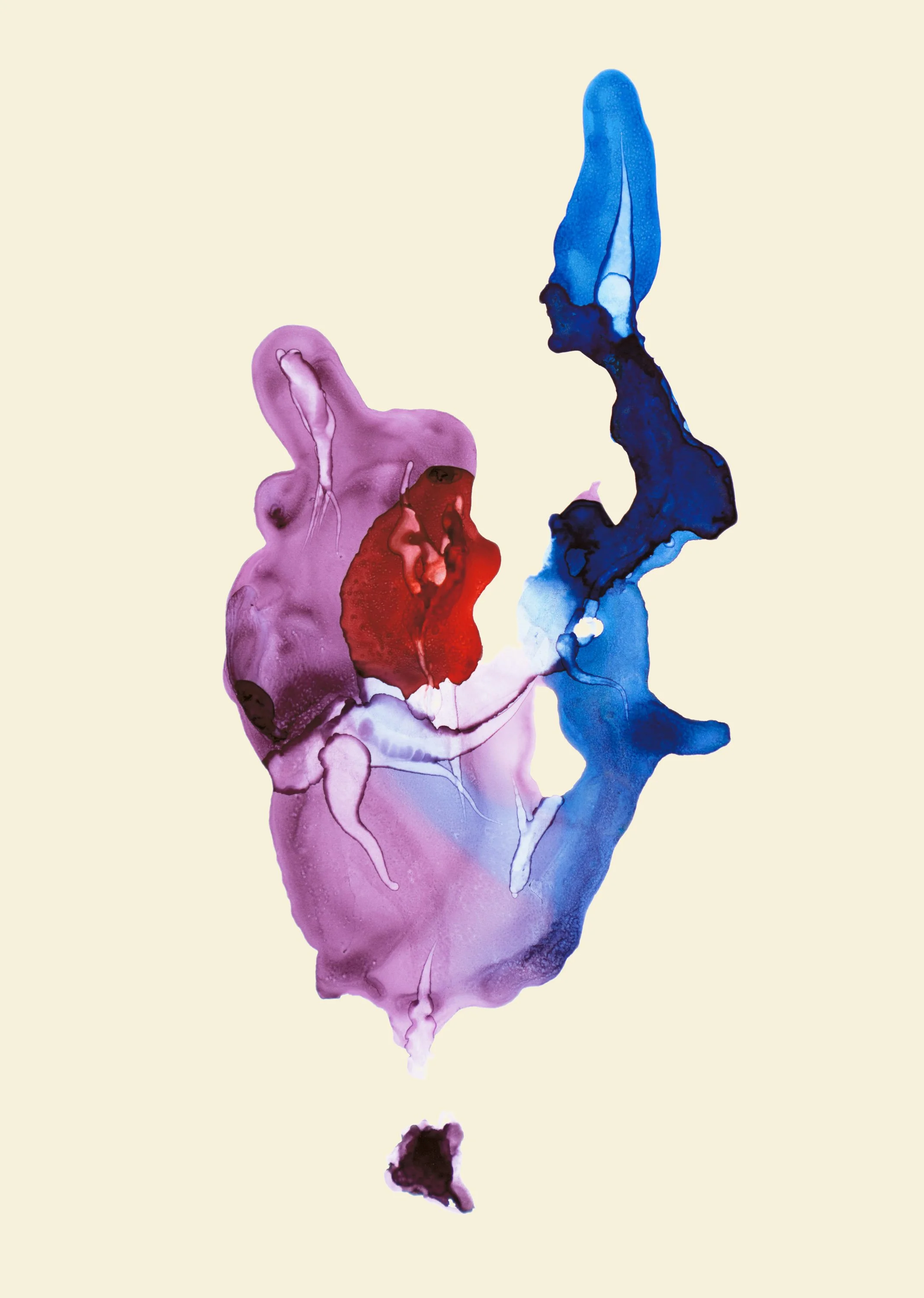
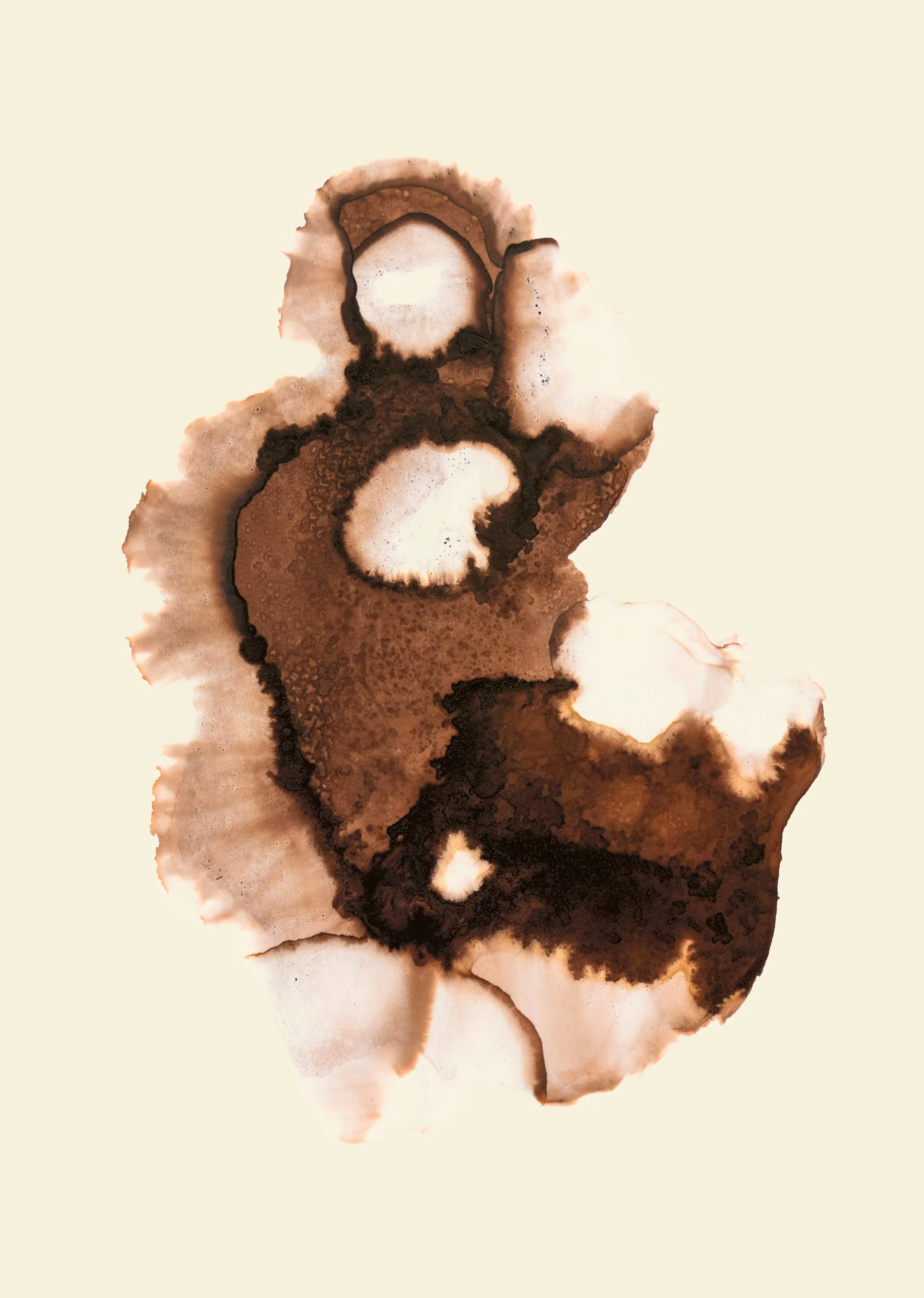
There’s something about working with inks that is so different from my previous photographic works. In my photography I think a lot about precision, clean lines, and knowing the conditions that I need in order to create a piece of work that I imagine, and then create. Contrastingly, working with inks has been unpredictable, multilayered and at times uncomfortable.
I’ve learnt to sit in the discomfort of the process in the same way I sit in the discomfort of my own stories. I’ve learnt to trust that as a droplet falls on to the page and finds its own way to create meaning, so will I, if I just trust the process.
Whilst making these prints I’ve thought deeply about our individual and collective cultural thinking related to islands. There can be the romanticism of them: distant, far away tropical lands, a place to reflect in solitude. Yet they can also represent loneliness, unreachable lands that remain untouched by others.
I think of clusters of islands, archipelagos, and swimming between yet always returning to oneself. The journey between islands, and the journey that others take to and from our own island, and the danger of leaving, with the uncertainty of if we will be able to return.
In these works I imagine fictional lands where people like me - those with this longing to belong but feel a strong sense of unbelonging - can find a feeling of home in a place that is for now, undiscovered.
Interestingly my previous work called Insula - after the Latin word for "island" - was named that for the same reasons. It’s over a decade later and I’m still thinking about islands.
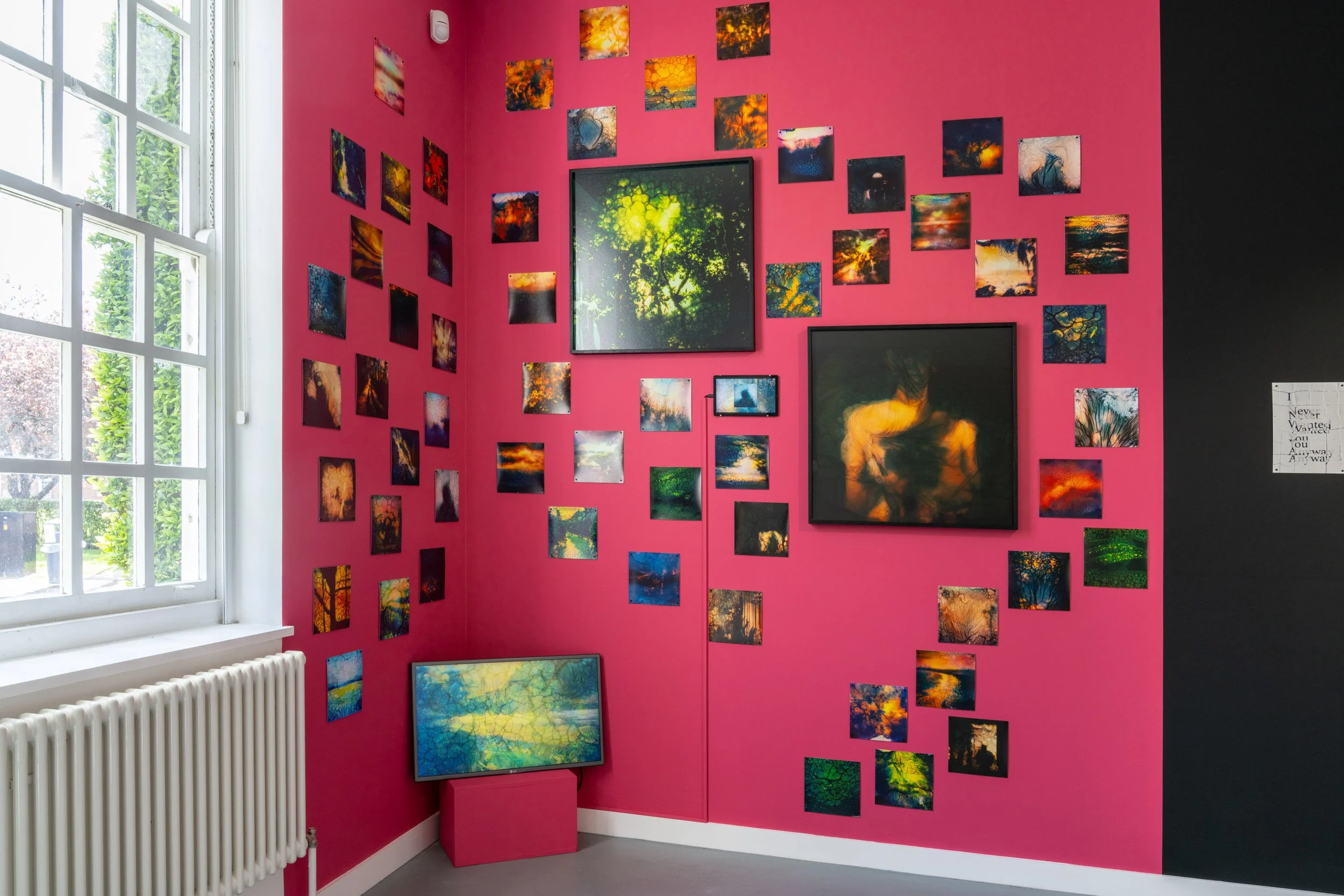
C15H25N3O
One of the clearest memories I have of speaking to a therapist, aged 18, is describing to her how I experience my thoughts.
It is as if there is a projector playing a film of my thoughts that I am watching in my mind. Another projection of a film plays on top, and another, and another, all at once. The layers of the films become enmeshed and mixed up. The sounds of the films are also being played on top of one another. I cannot seem to decipher what belongs to where. I try to imagine the subtitles of the films but the words are just indecipherably layered on top of each other. It becomes chaos in my mind.
A week before my 40th birthday I received my ADHD diagnosis.
In many ways it has not changed anything. I have not changed. I am not someone else. But It has given me a greater understanding of how my brain functions and how it works differently to others. It has explained so much of my past and provided validation. It’s also helped me to understand this sense of grief - trying to figure out what is ‘wrong’ with me.
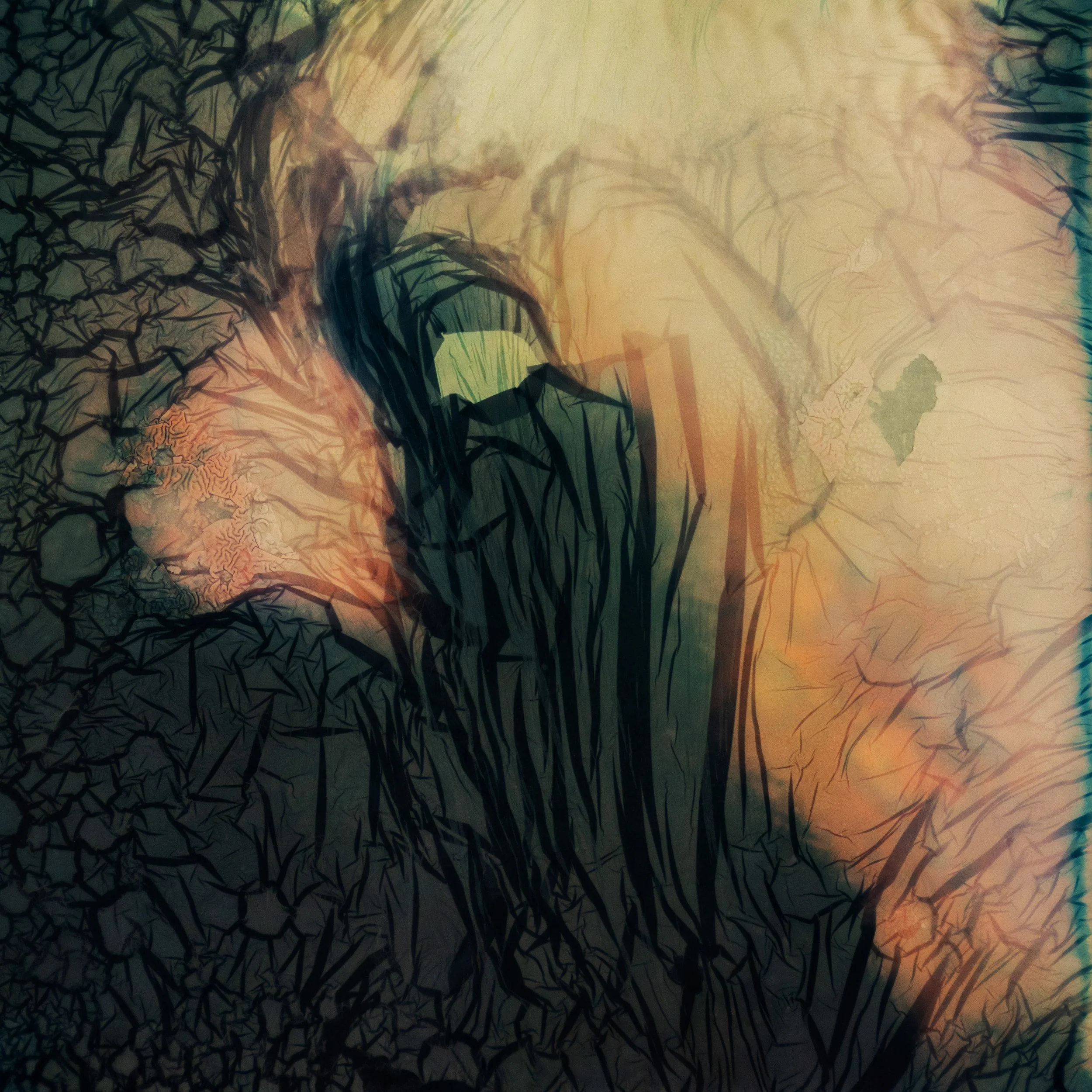
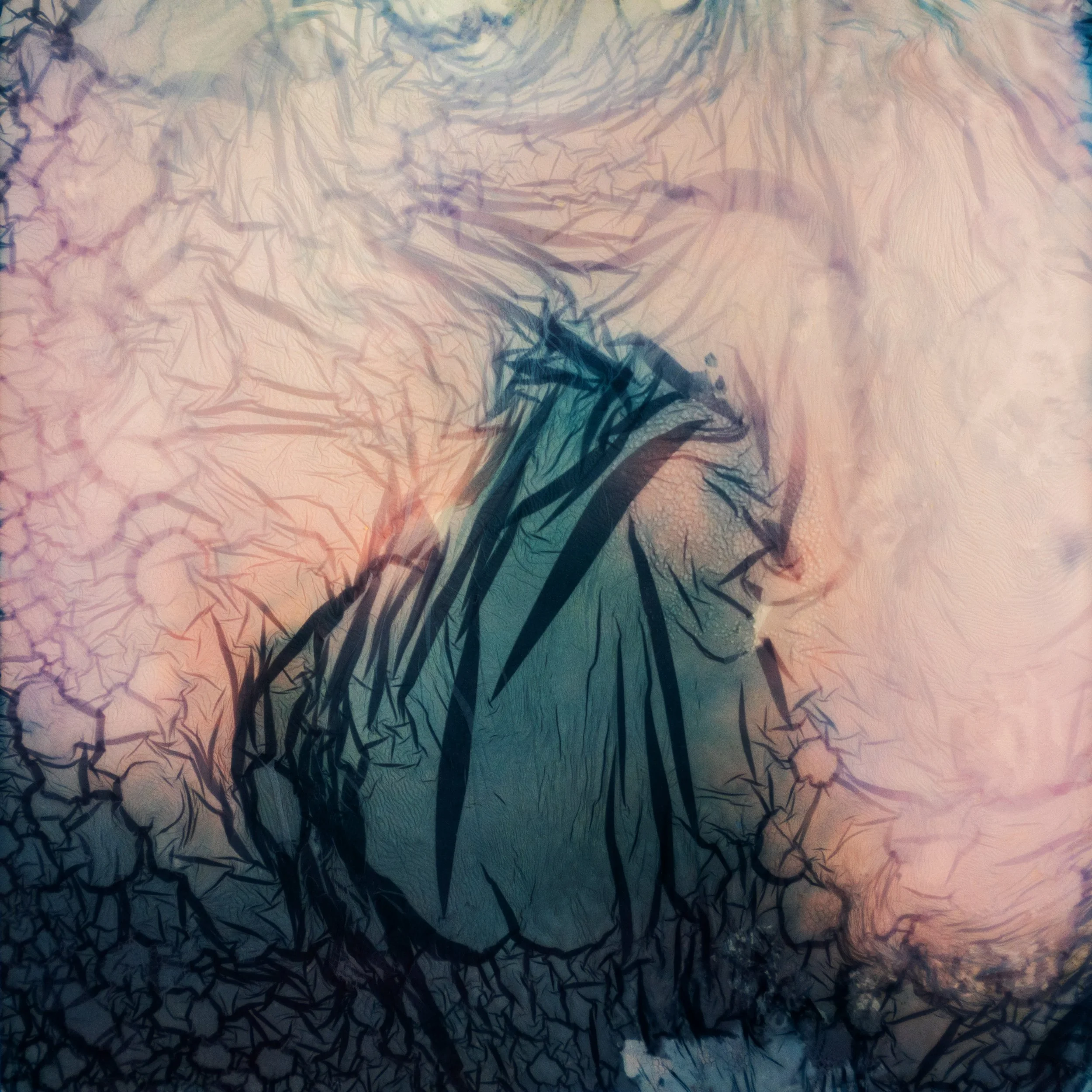
The first day that I took my stimulant medication for ADHD I felt like an alien in my own mind and body. My usual thoughts, all swirling around at once and clattering with cymbals for attention, were gone. My mind was… silent. It was, at first, disconcerting. I watched an entire TV episode without moving, flinching or pausing to do a hundred other tasks.
To return to my initial analogy, it was like watching a singular film with the visuals, audio, and subtitles all in sync, without the constant interference.
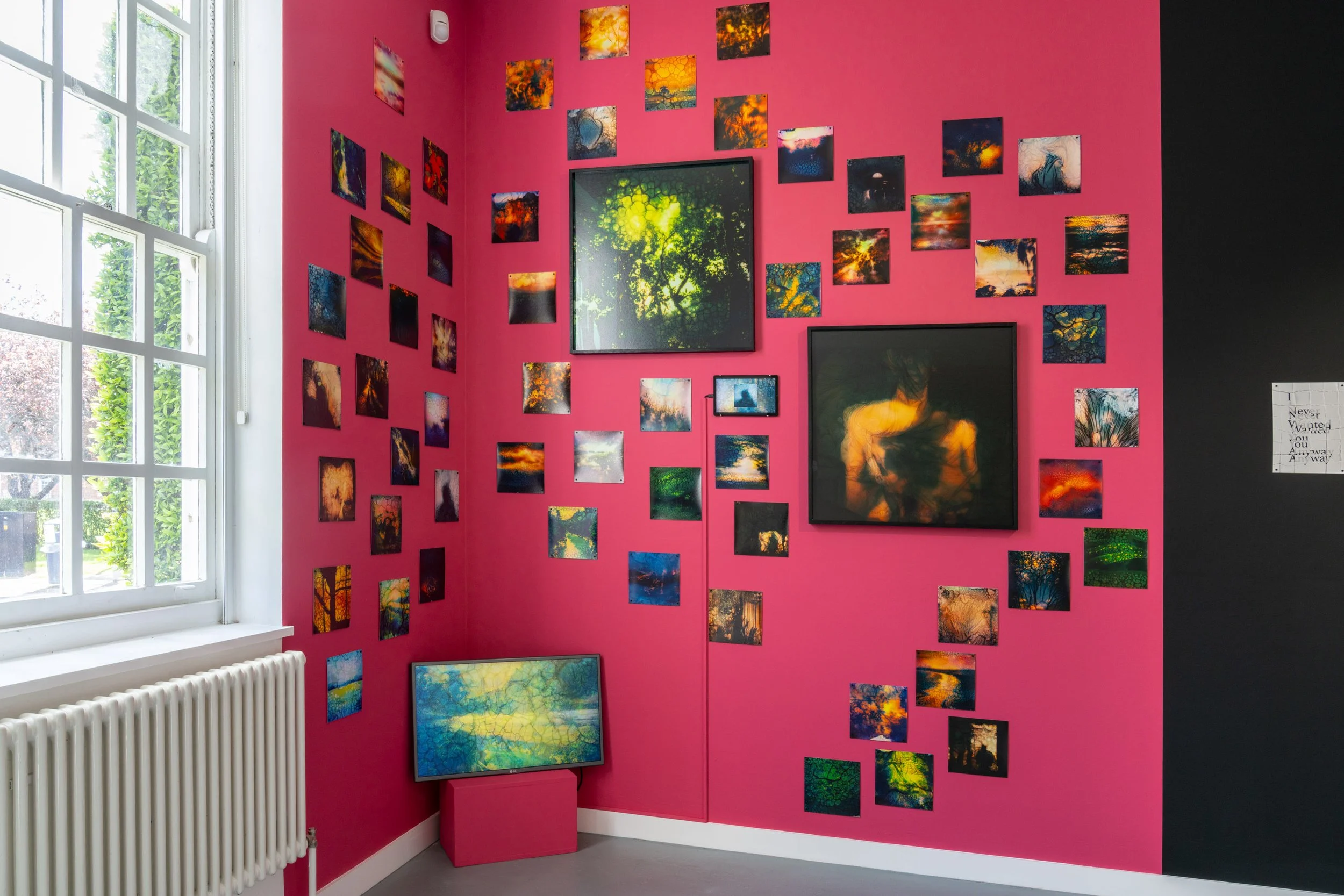
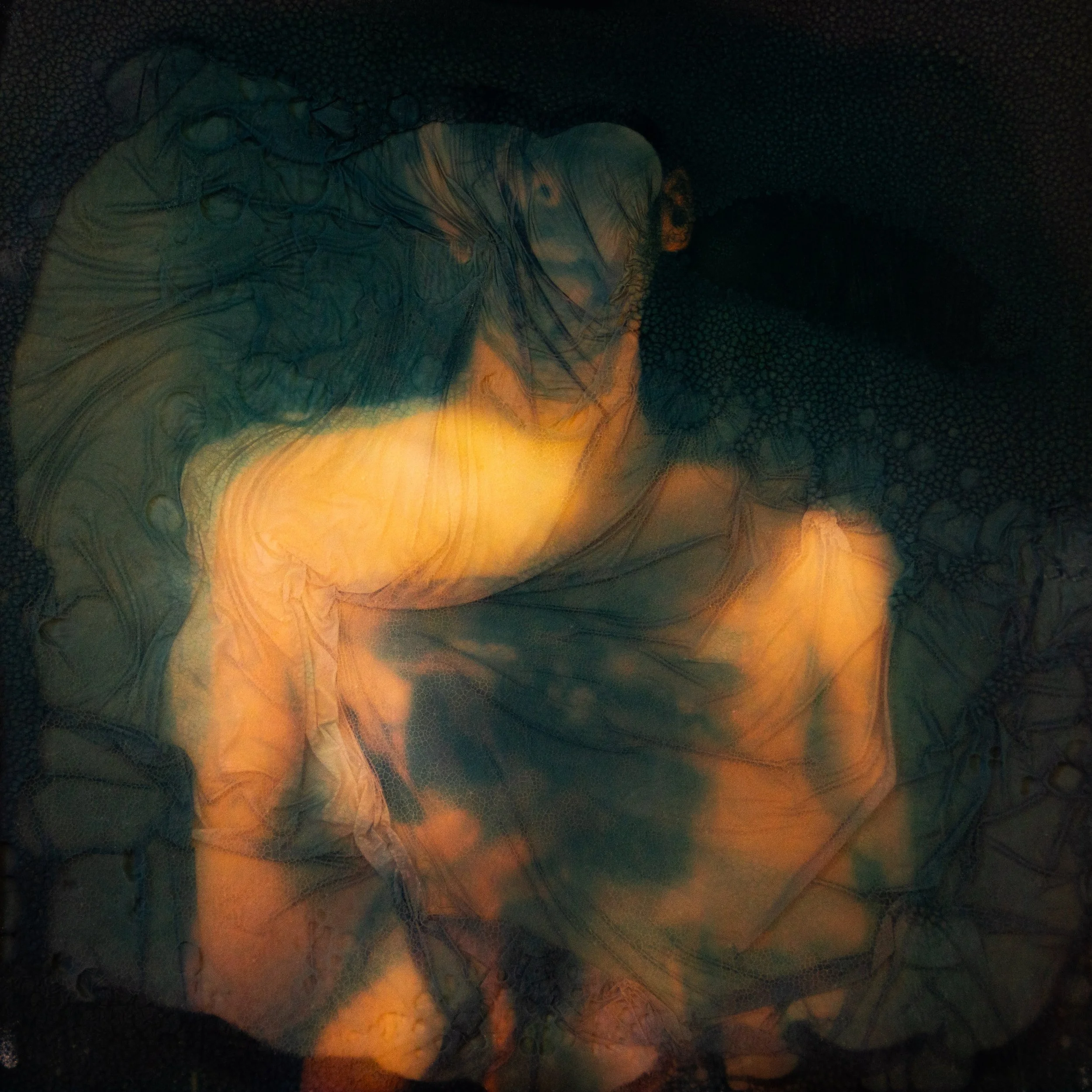
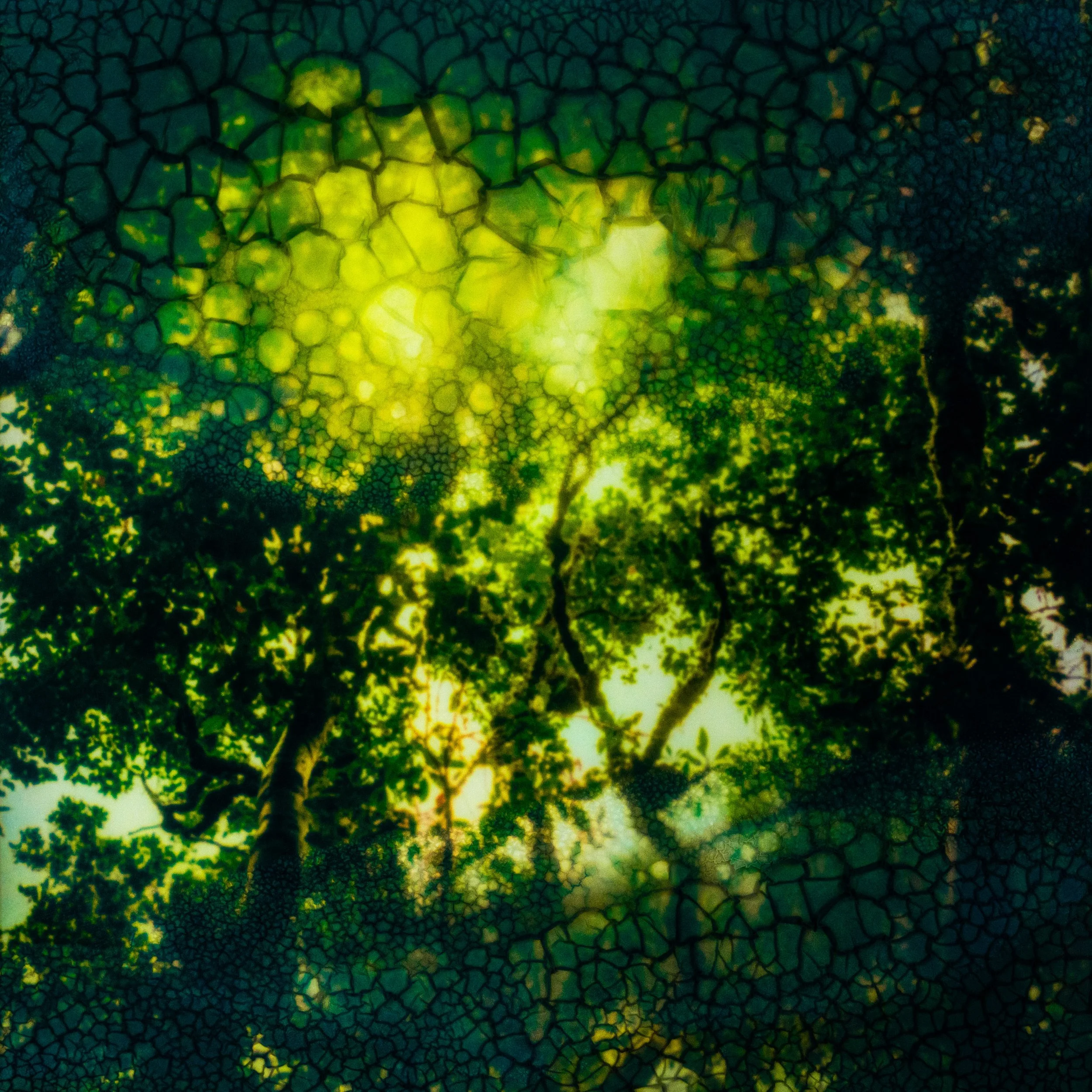
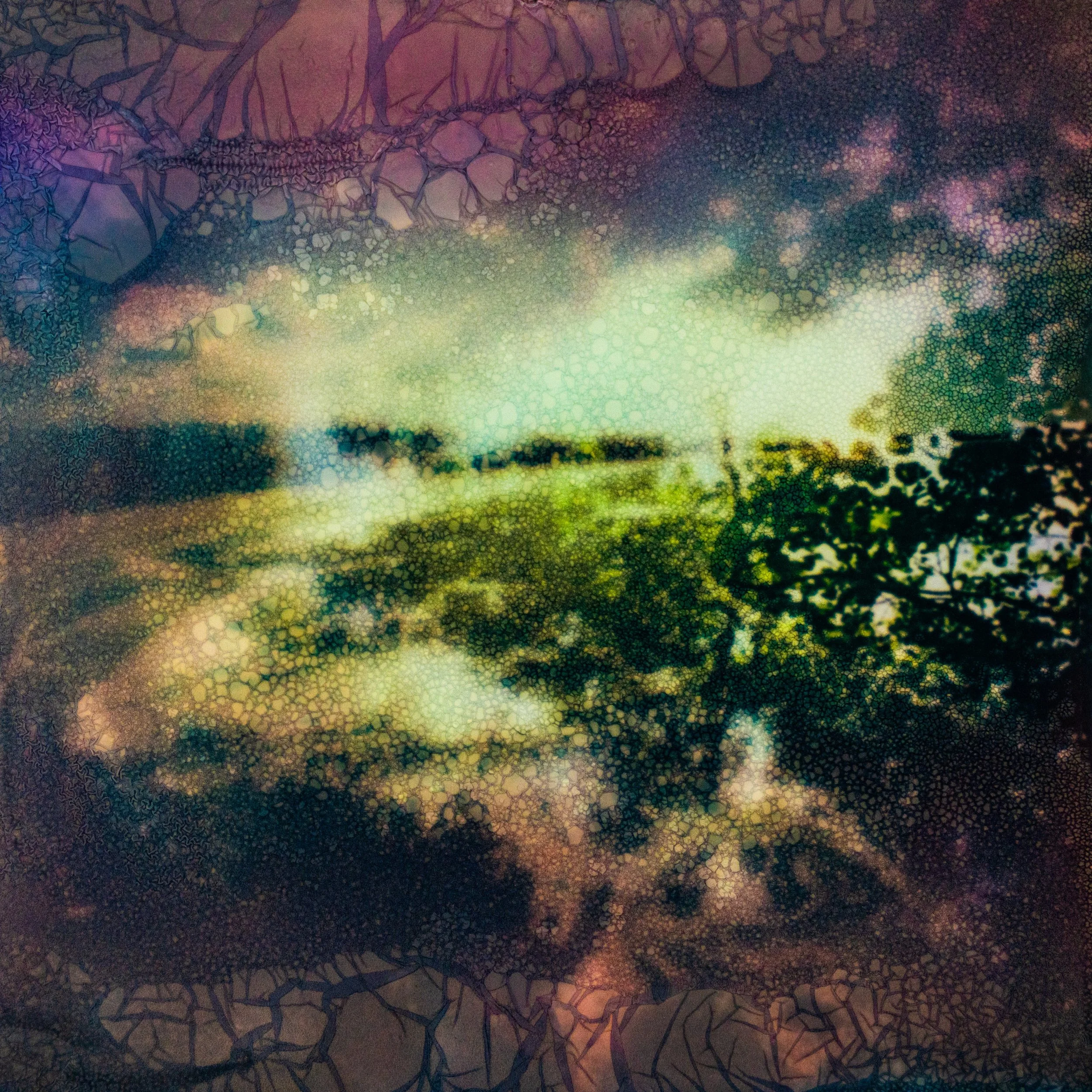
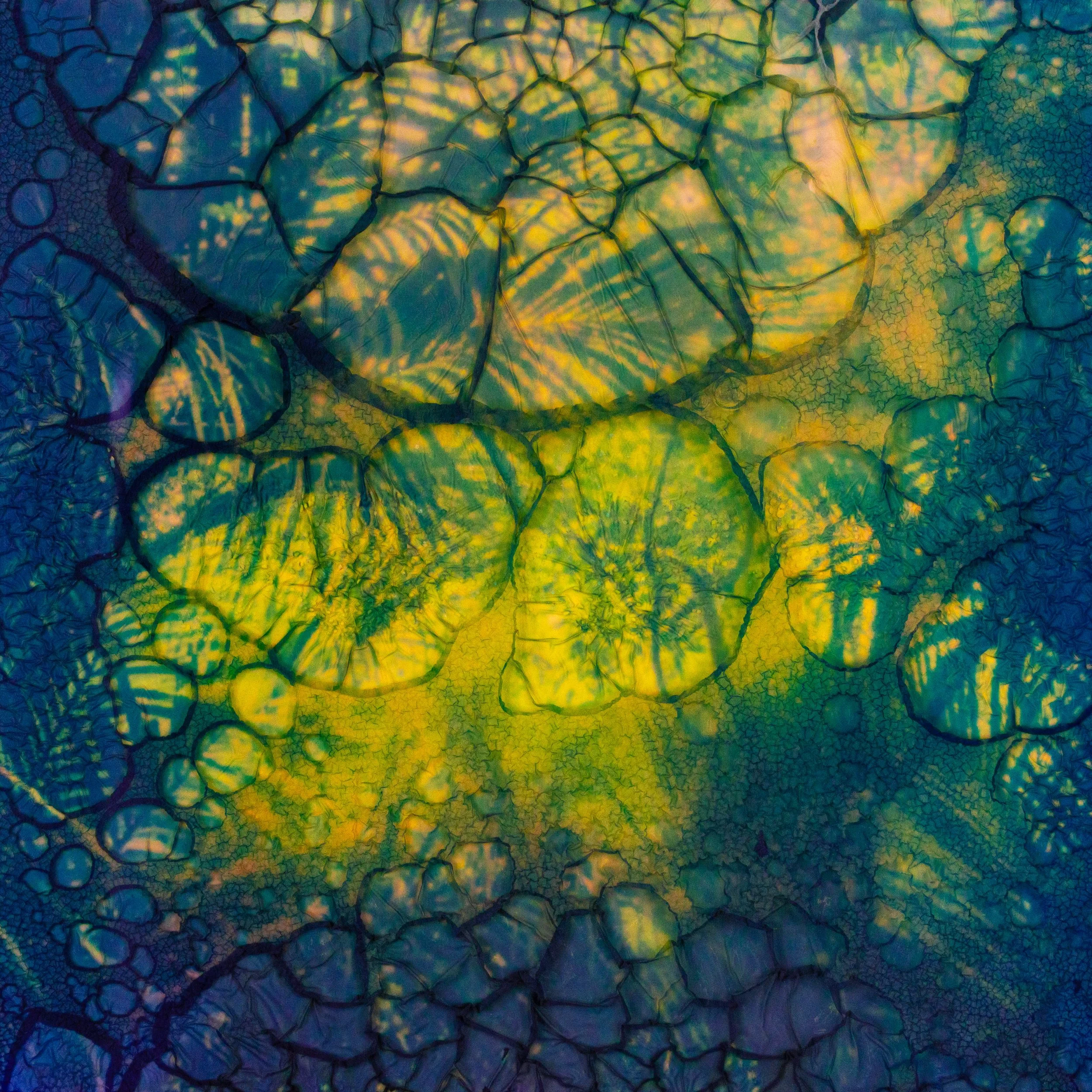
The works in this project are Polaroid images of either self-portraits or images made whilst walking, which is something that calms my racing mind. The polaroids have then been submerged into a solution of my stimulant medication for extended period of times creating manipulations, degradations, and ultimately new versions of the original images.
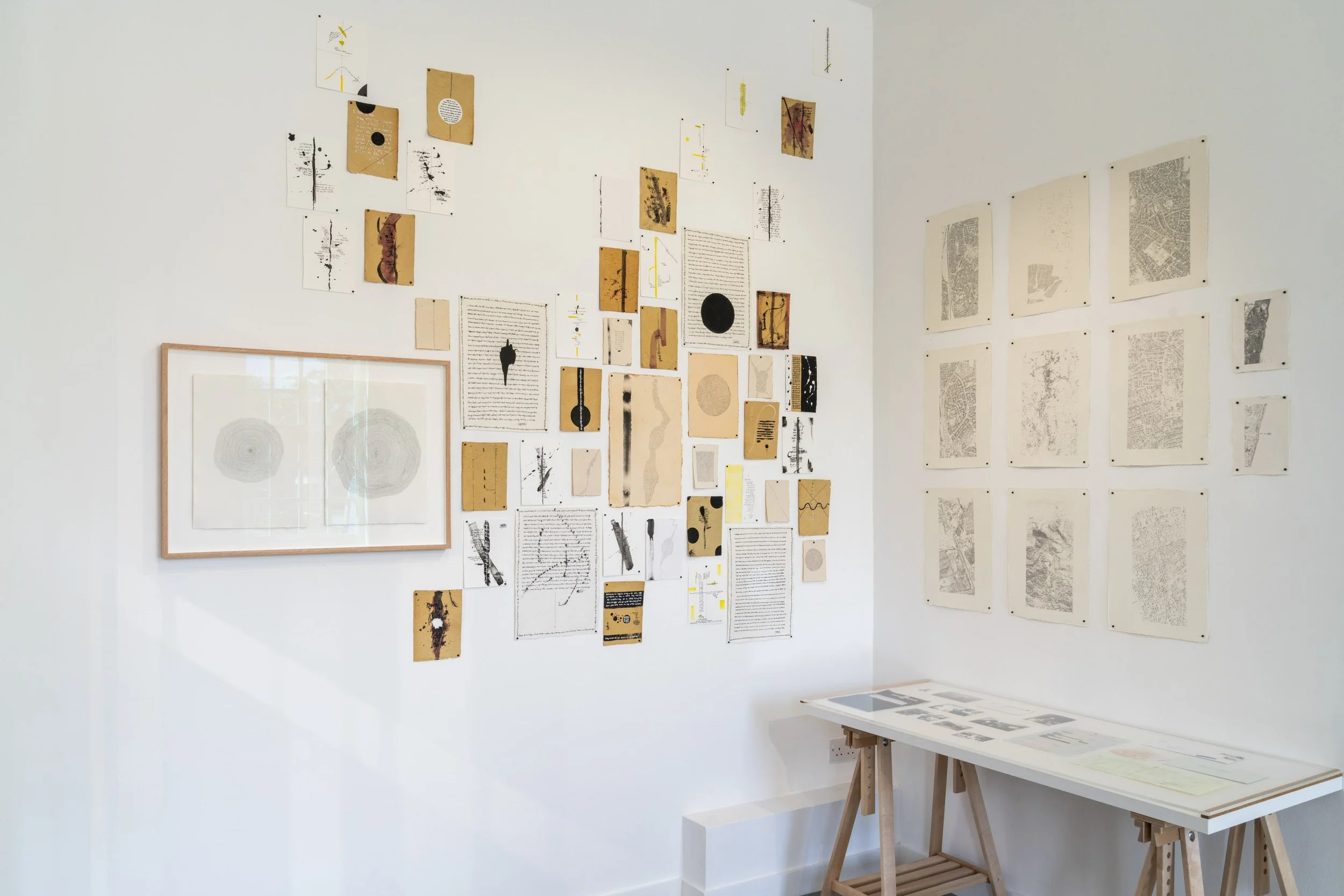
Drawings
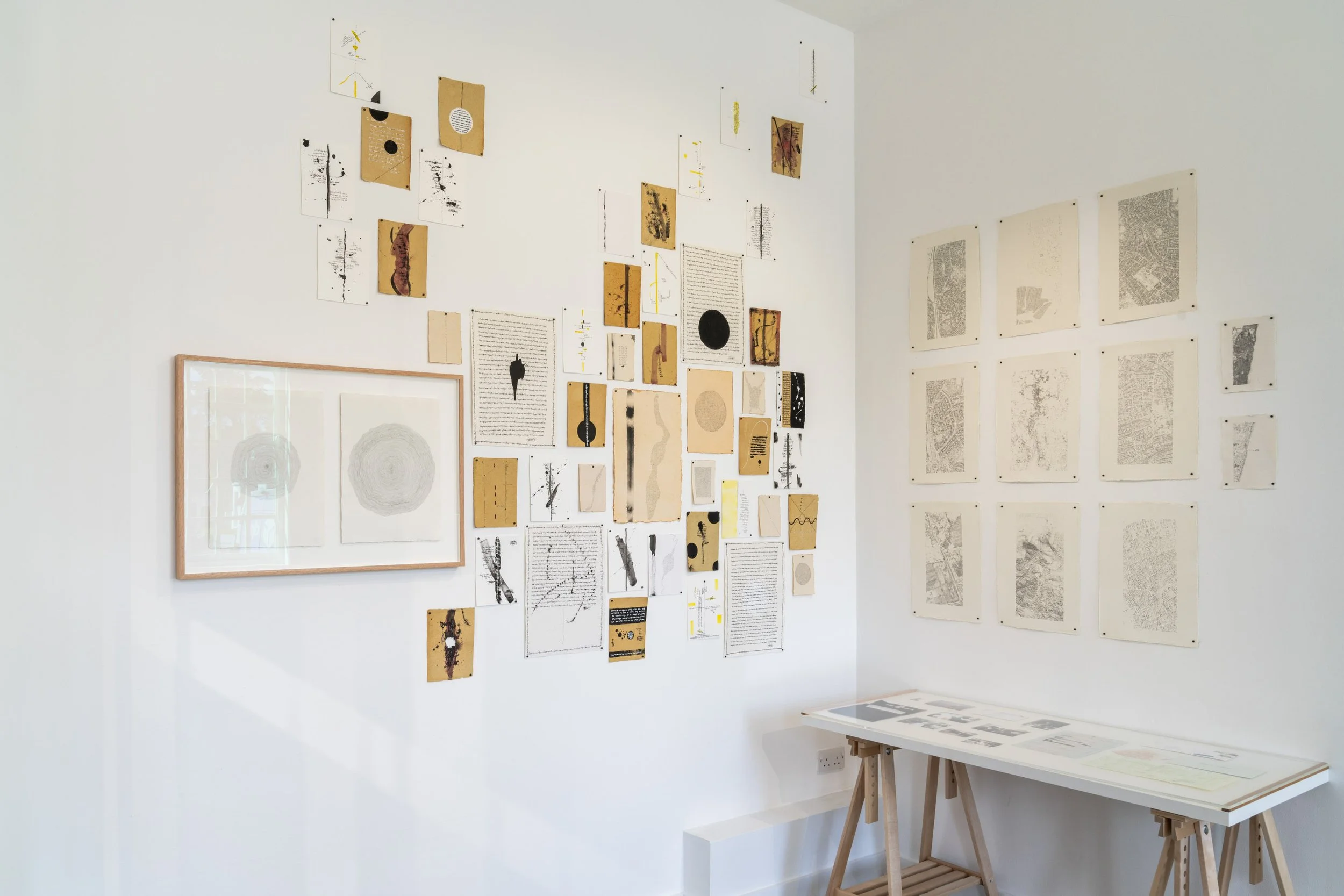
Drawing as a practice provides me the opportunity to process my thoughts. It is an act of self-soothing. Sometimes I am engrossed in the repetition of mark making for hours. At other times the process is short and over quickly.
These works - another step away from a solely photographic practice - represent drawing as a method of encoding and decoding thoughts, memories and experiences.
The circular works explore my thoughts surrounding proximity and closeness to others. How close is too close? How much space do I need from others? The intricate repetition of the mark making requires my immense concentration, ironically in direct conflict with my ADHD’s impatience.
Other works relate to places of longing, belonging and unbelonging from the past, present, and future, inspired by maps.
Alongside these are pieces that use asemic writing as a mode for encrypting thoughts and feelings about those currently in, or no longer in my life. They disguise words of pain and celebratory expressions of love wrapped up in decipherable symbols.
Absence
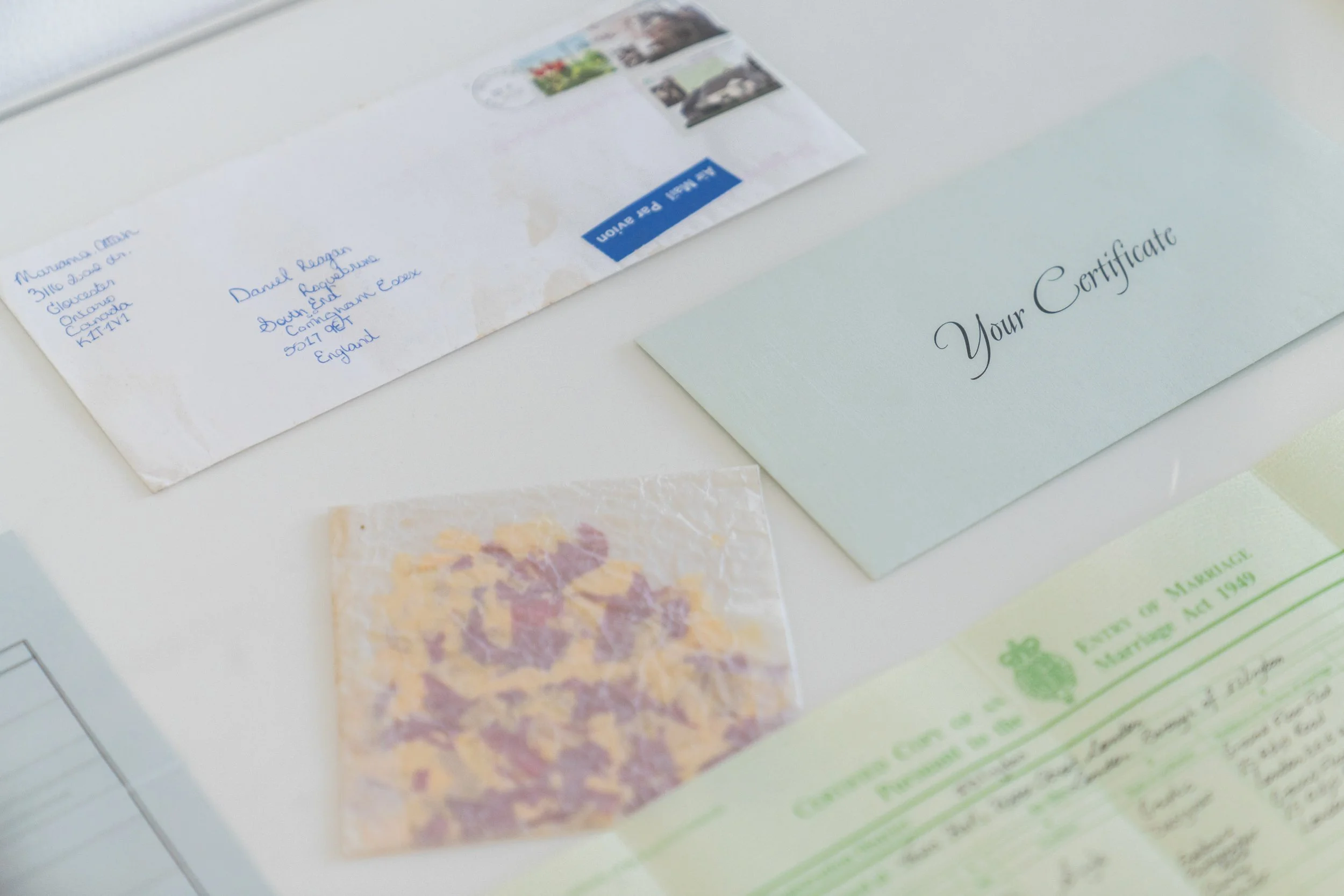
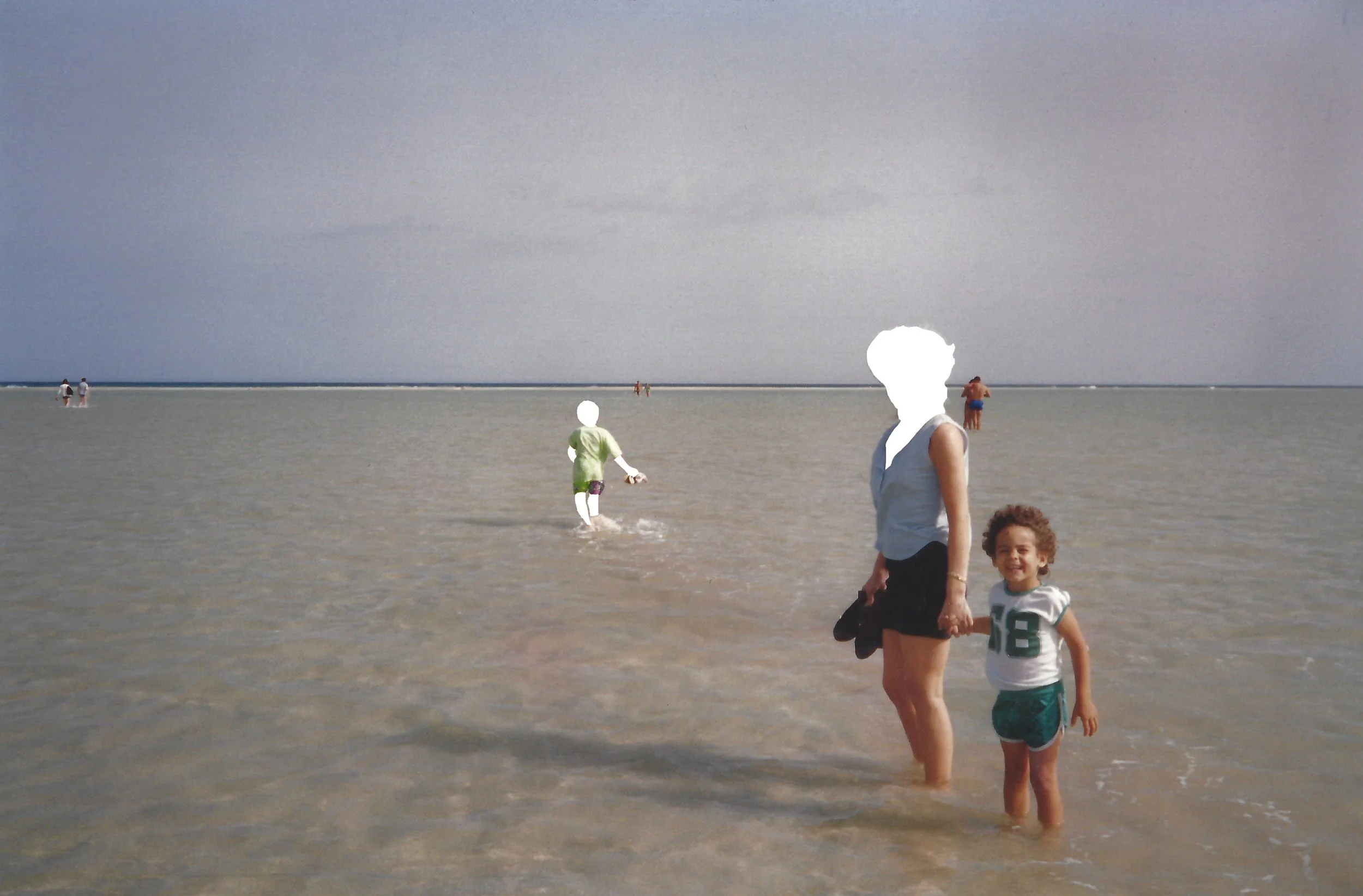
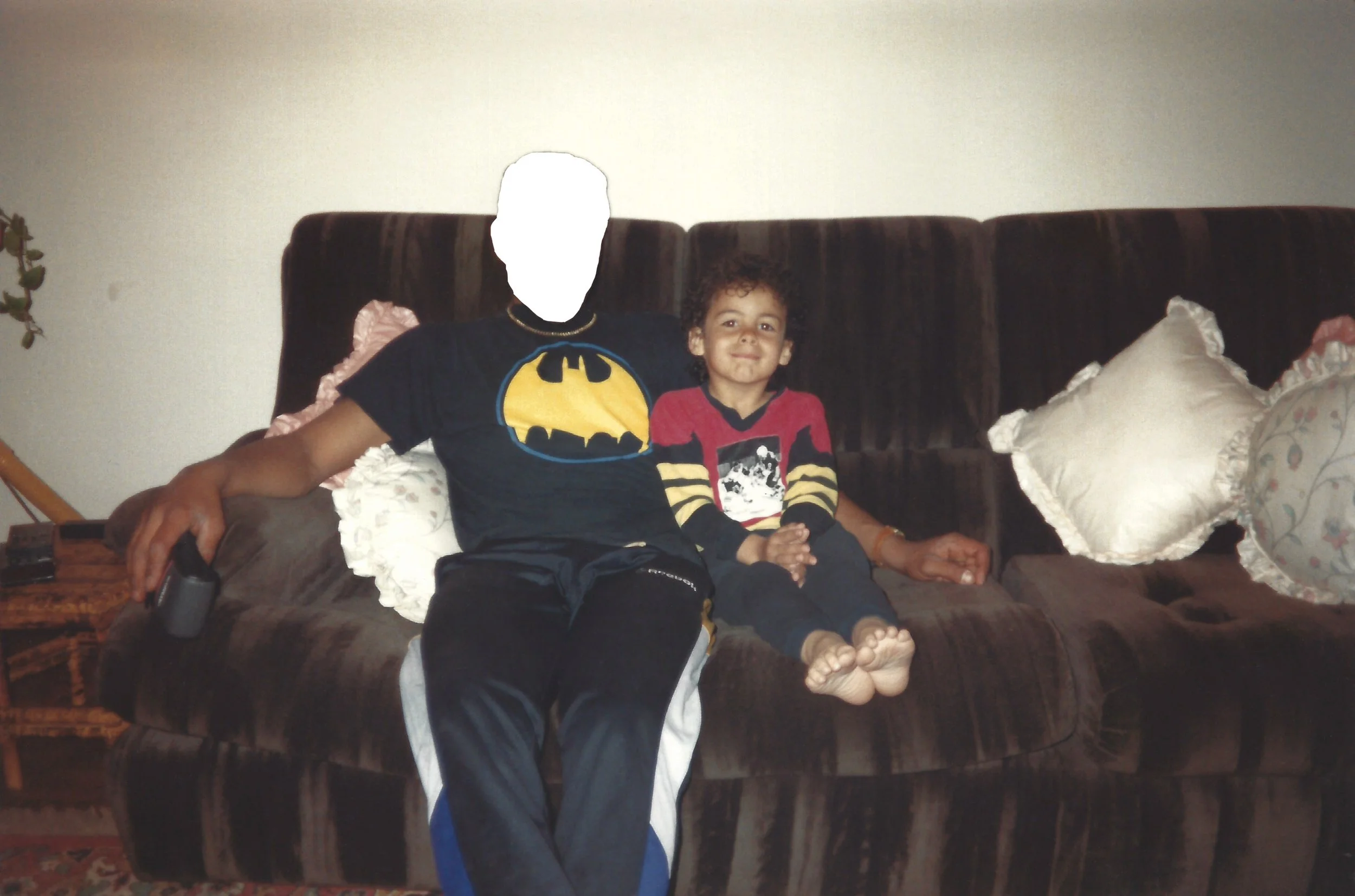
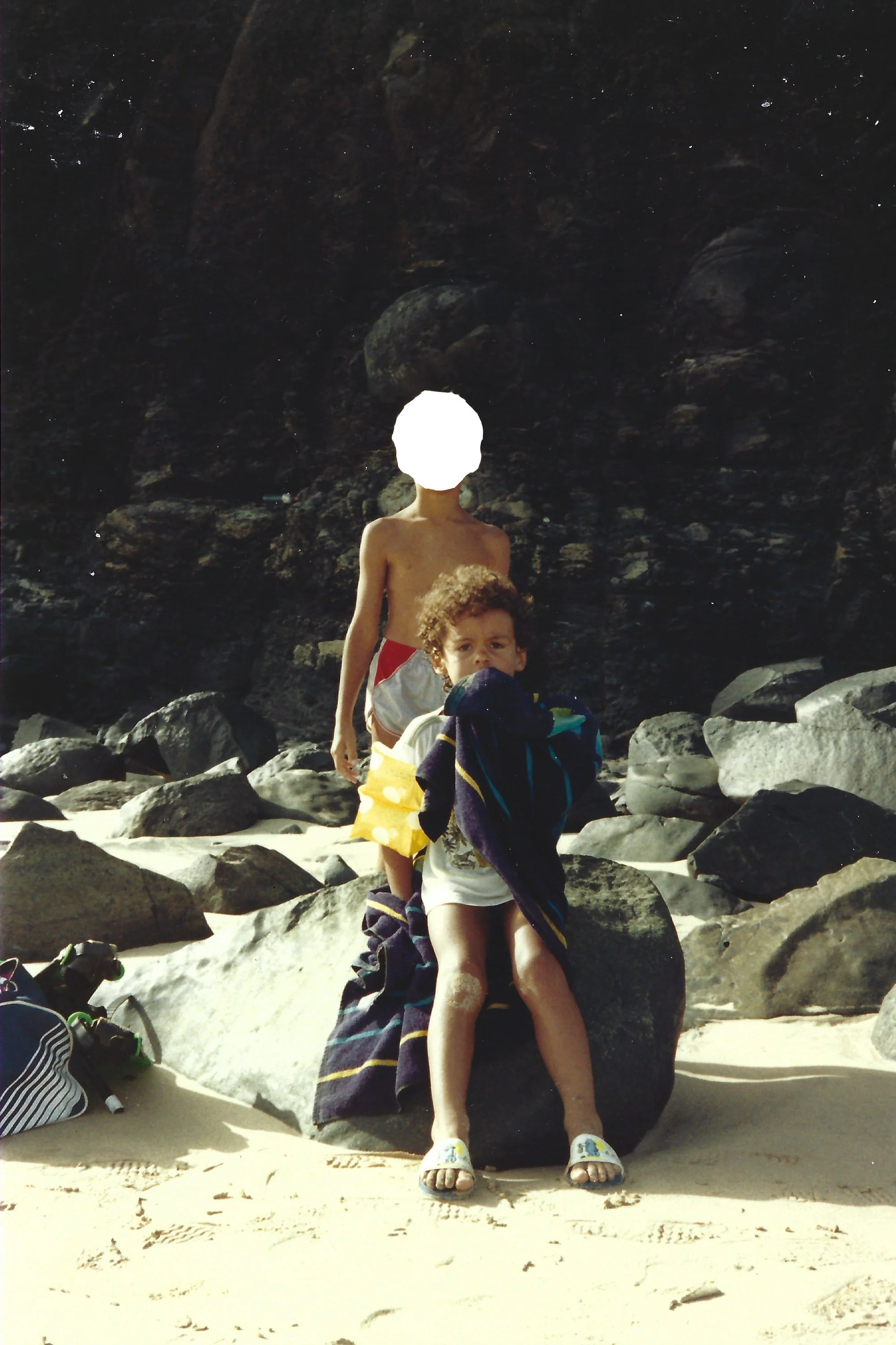
There is a pressing reminder that I don’t have a family archive. I’m aware of it as people make comments about all the things that their families have held on to for generations, the photo albums that their parents have produced, or the fear of how much they will inherit.
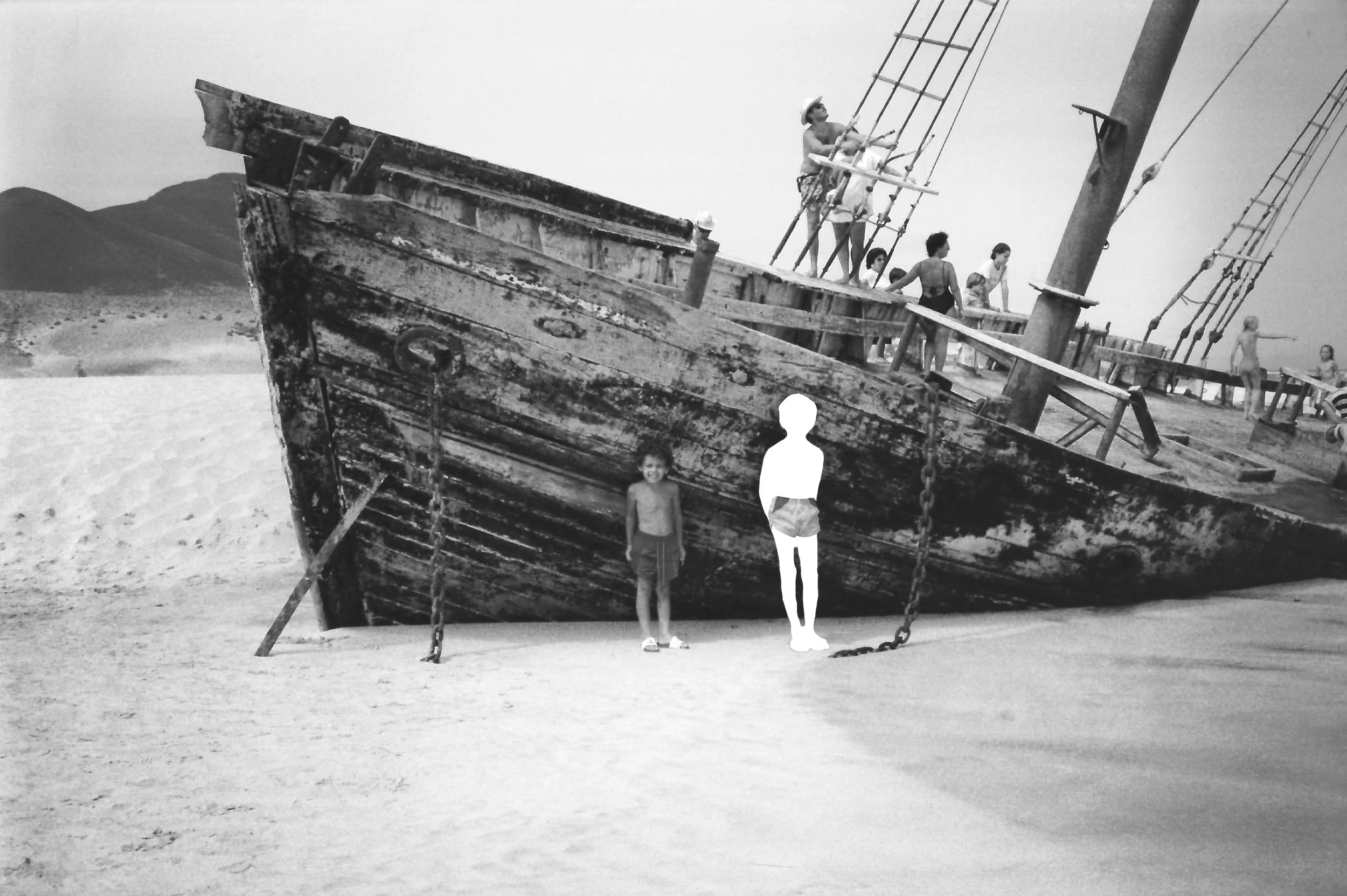
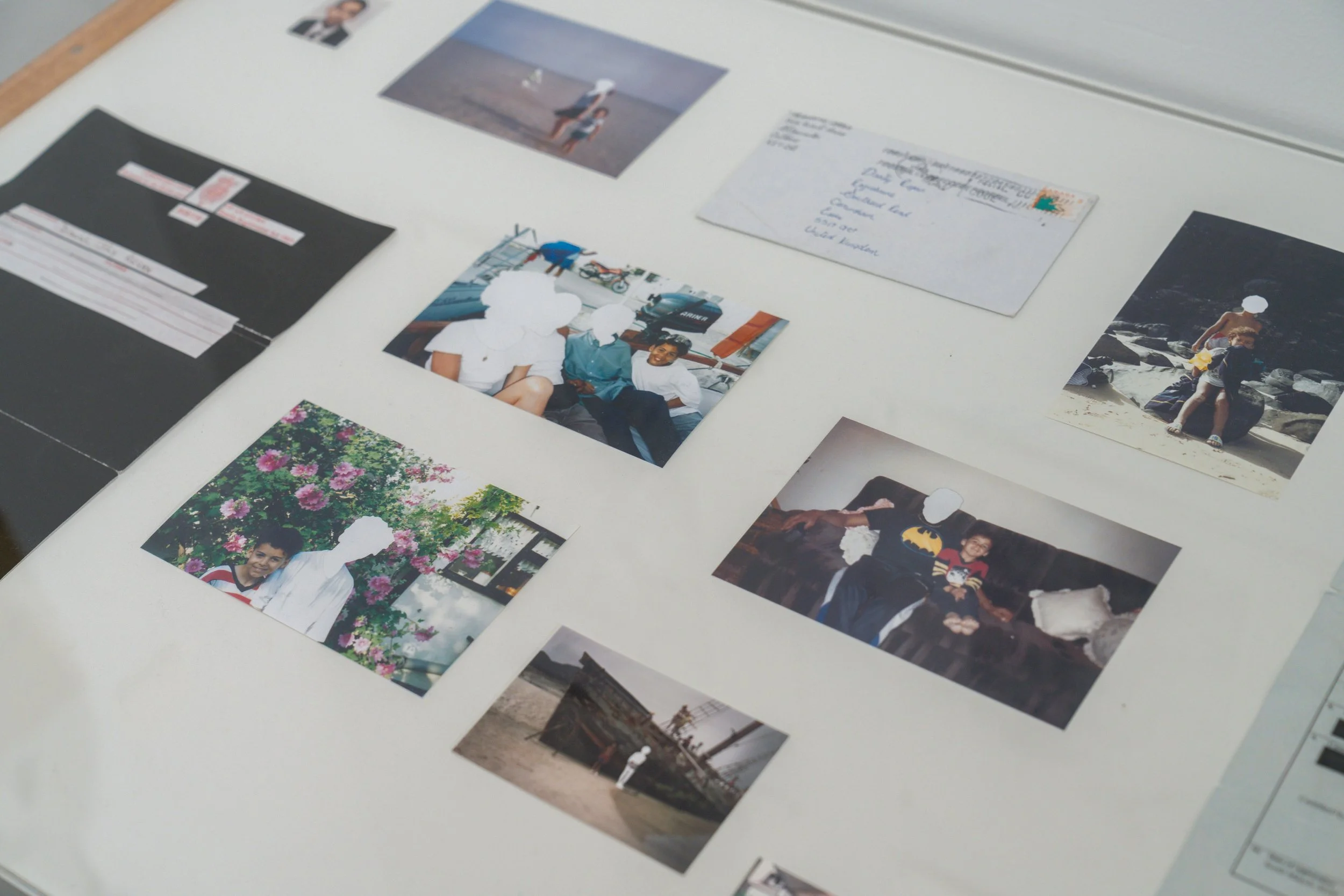
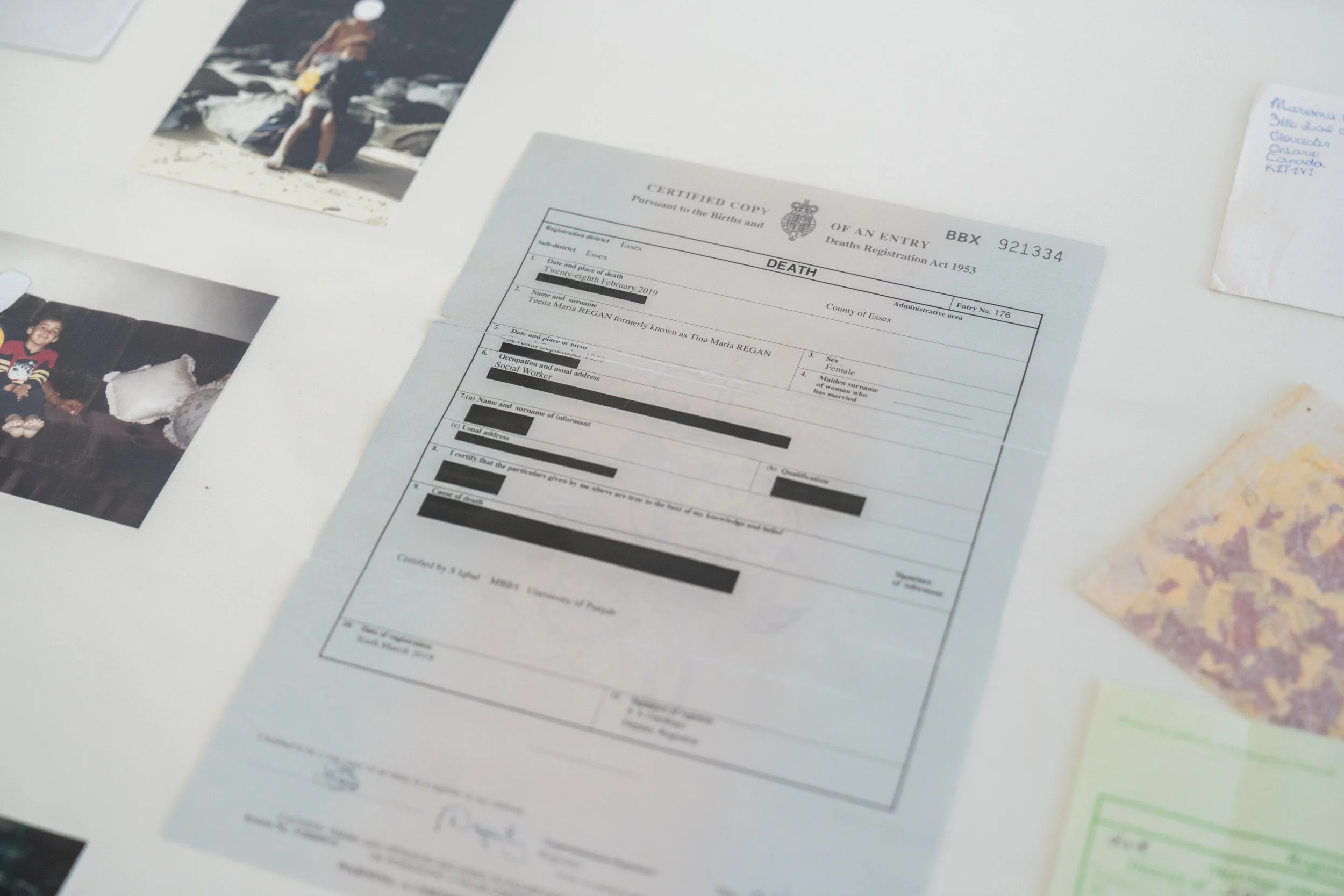
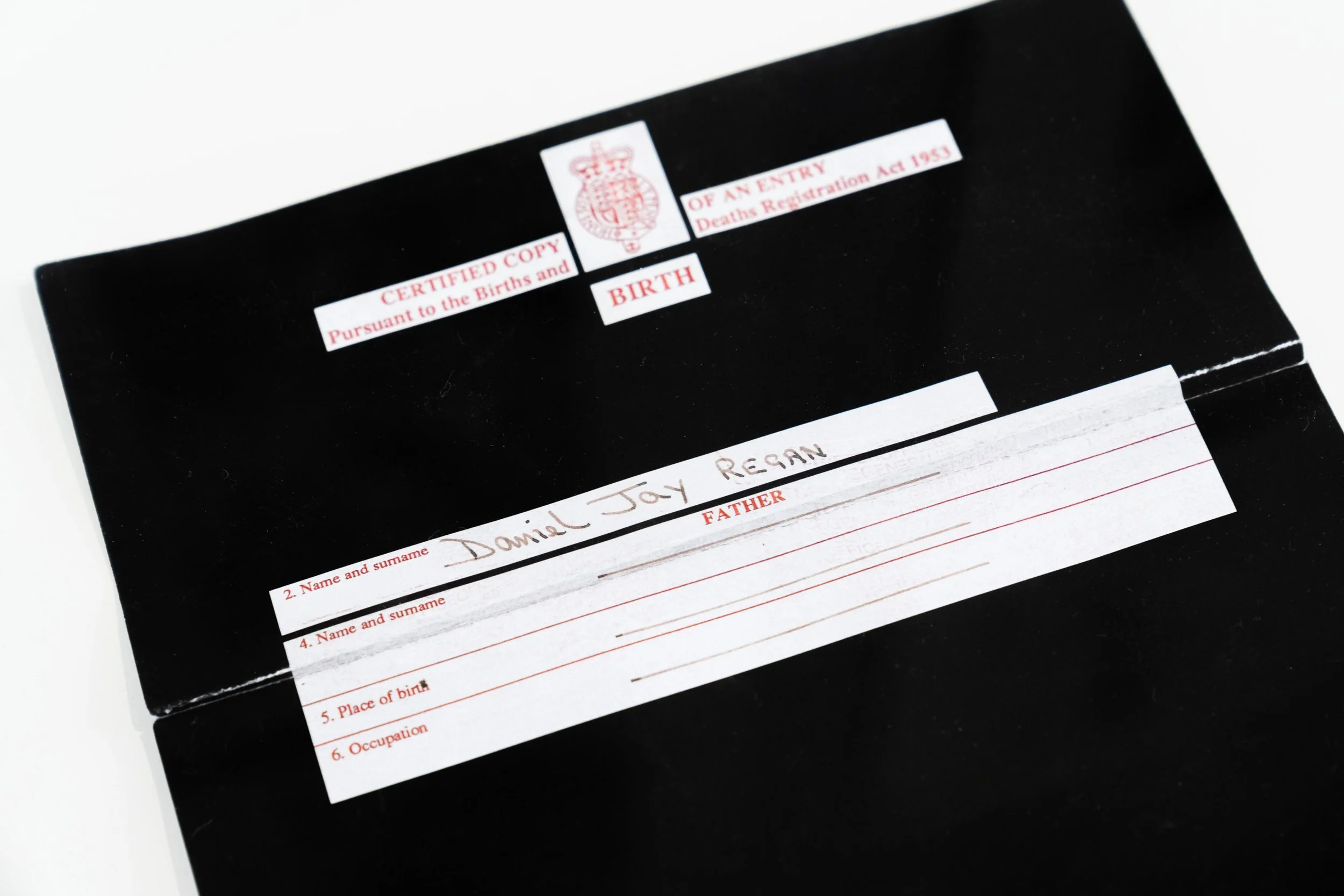
These are not my reality. Hearing this is like peering into another world for me. The archive that I am grappling with is one that barely exists. I have my own archive of my photographs made over the last 3 decades, but beyond that, the familial archive is incredibly sparse. I have just a few belongings of my mother’s and hardly any photographs of my immediate family. It isn’t just the objects that are missing, it’s the stories too. In some ways I miss those more. I have a longing for something to hold in my heart more than what I can hold in my hand. The archive I hold is an archive of absence over presence. The void of where an archive could have been.
I work with what I do have as if it is found material. Interrupting its authenticity, reimagining past into present and making peace with an unknown future.
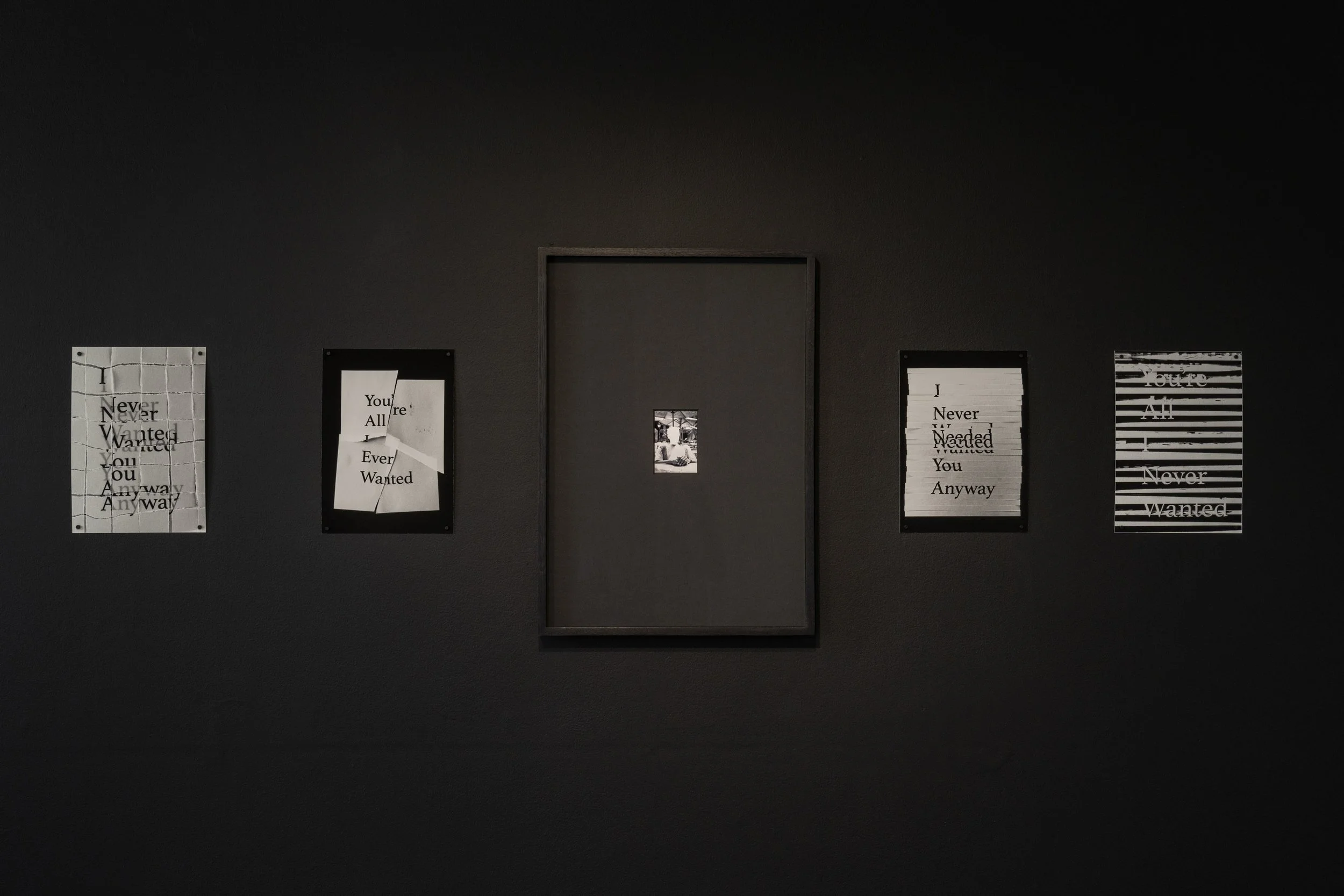
I Never Wanted You Anyway
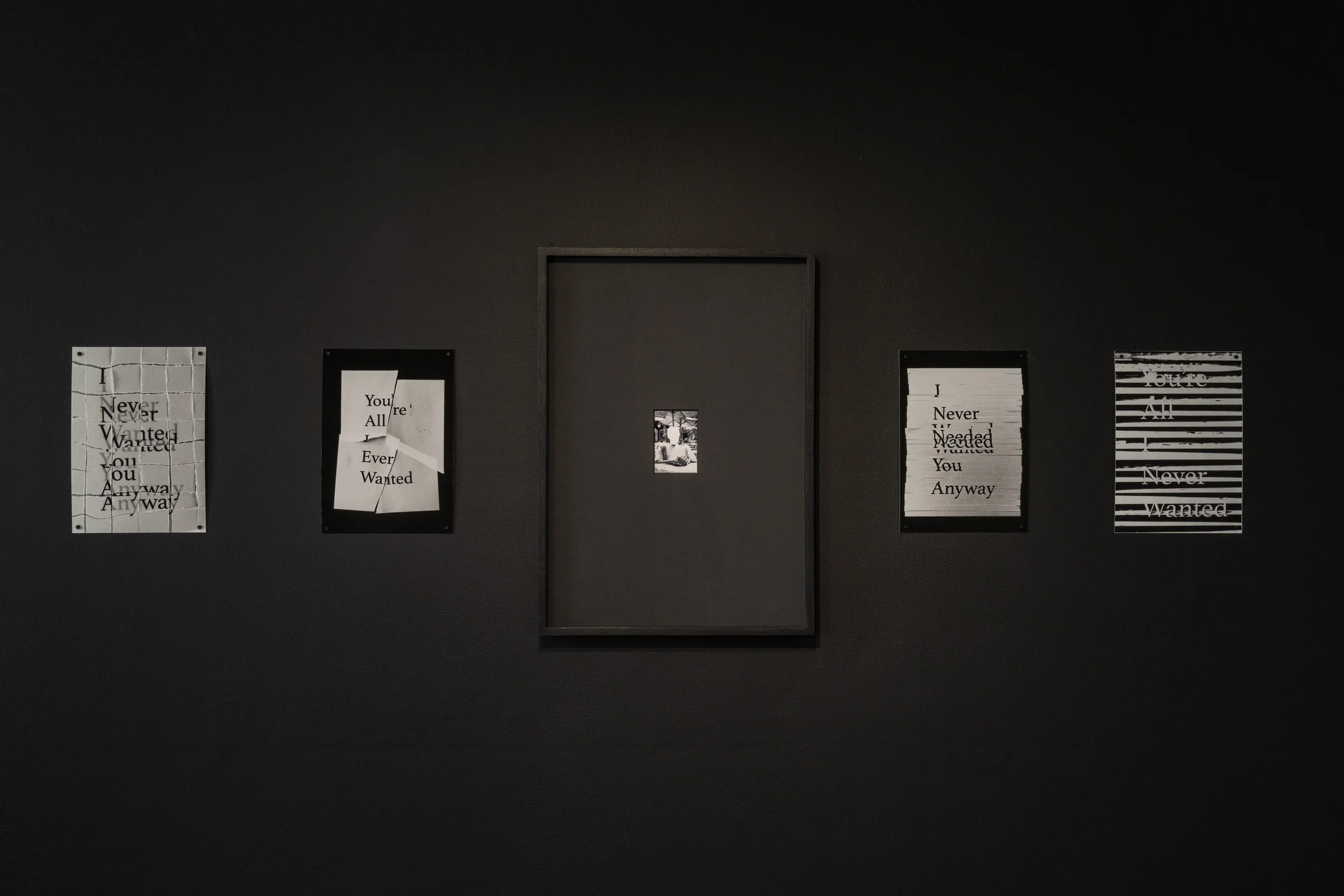
I’ve always been fascinated by words. Our capacity to use them wisely or poorly, the tone we use when we are communicating them and the impacts that they can have on us - sometimes forever.
I Never Wanted You Anyway.
These words belong to another. They are not mine. They’ve lingered in the back of my mind for decades. These 5 words can be so cutting but also so freeing, depending on if you are the receiver or deliverer.
In these works I’ve returned and re-returned to the words in this statement that I heard as a child and as an adult. I’ve experimented with interchangeable subtleties, words that oscillate between ever and never, wanted and needed.
The words move from the internal subconscious to the external, from 2D to 3D and back to 2D, through a process of exorcisms, transformations and reclamations.
Islands of (be)longing
The essay below by Mariama Attah accompanies the exhibition.
Mariama Attah is a curator, writer and lecturer with a particular interest in overlooked visual histories, and understanding how photography and visual culture can be used to amplify underrepresented voices and close the gap between art and audiences.
You’re All I Ever Wanted
You’re All I Never Wanted
I Never Wanted You Anyway
I never wanted you anyway
I never wanted you anyway
The words fold, stack, clip, rip, and cascade in one series of photographs in Daniel Regan’s ongoing project (be)longing. The words echo from the artist’s childhood, embedding themselves through repetition and the passing of time. In (be)longing they have been transformed by the artist's hand, moving from a space of negativity and exclusion to becoming a mantra wherein the power has returned to the artist. Shifting perspective from target to speaker of this message relocates the power and burden of this refrain. Regan repositions, deconstructs, and reframes moments to visualize and (re)embody a sense of belonging.
The process of belonging is more innate, more inbuilt for some; supported by family connections, personal archives and affectionate stories passed down and around and tied to places that can be pointed at on a standard issue map. For others, belonging is a lifelong, convoluted system of following leads, tracing paths, looping back on oneself, and accepting a degree of the unknown. The latter was, and continues to be, the only avenue available to Regan, as demonstrated in these five chapters. At every major moment of discovering himself anew, of becoming an adult, of a late stage ADHD diagnosis, of learning family histories which hadn’t previously been available to him, Regan re-examines his being and belonging.
Our notions of belonging are an accumulation of a lifetime of experiences, of being shown when and where we are welcome or not, of searching for people, ideas, thoughts we can relate to, and discovering where we make most sense. The artist’s longing for a space, an environment, a moment or occasion to exist is manifested through these chapters. Rather than posing answers or filling in blanks with certainty, Regan’s projects outline the sketches, preliminary investigations, and explorations into making and recognizing a space for himself.
The five overlapping, informal chapters forming this series circle themes of belonging, longing, curiosity, estrangement, and reflection. The playfulness tempering the burden, the range of artforms and techniques, and the research and collaborative elements all provide visual cues as to the complexity of what it means to belong, what it means to feel familiar in an environment, how it looks to to fit your context without caveats or addendums, and the personal journey required to arrive here. Regan is also contending with and responding to a scarcity of personal material, prompting these artistic journeys to author his past. In one series, the family albums lack content and context which the artist actively and collaboratively addresses. Another lack of content and context derives from one parent’s transracial adoption and the severing of family ties to their own stories. This scarcity of familial connection has had a distancing effect, further amplifying the gaps between generations, and their ability to connect with its many cultural heritages and histories.
The ink drawings of imaginary islands are a departure from Regan’s photographic practice. These fluid representations are an experiment of unpredictability, of dropping ink onto a sheet of paper and seeing where the borders of these imagined lands take the artist. This archipelago of fictional islands creates a network of spaces which can accommodate real world needs. The move away from precision is a reflection of the uncertainty when setting out to find a space for oneself, and the requisite flexibility of acclimating to a newly found space. What is there to be discovered, and what form will it take? The inks run and seep into the page, tracing a path from profound to faint, leaving behind a topography that one can imagine as hills and valleys on these imagined outposts. Regan has created corporeal and geographical bodies of belonging, and has freed his hand and his imagination to create a welcoming space. These works on paper are an encouragement to the viewer to imagine hopping from one parcel of land to the next, to clamber over new terrain and to resolve the homesickness for a place that doesn’t quite exist, bringing to mind a sense of setting out on an unknown voyage at sea while the artist continues spilling ink until the right shape appears.
Similarly, the repetition and ritual of creating shapes over and over again can be found in the artist’s series of maze-like pencil drawings and unreadable glyphs. For years Regan has used writing and mark making as a form of self soothing, a method of instilling a mind and body connection and documenting an ever changing set of feelings and observations, of comparing the self to the outer world and measuring the varying distances over time. The drawn paths make visible the connection between mind, memory, the artist’s hand, and the outside world. They lead the audience on winding, circling routes, as if tracing out the steps Regan had taken in working his way into a state of belonging and familiarity.
While moving away from artform specificity, Regan’s enduring tenet of collaboration is ever present, ensuring nuanced and sensitive portrayals. The painting, drawing, and storytelling workshops led by fellow artists shaped the visual and emotional language and landscape expressed through the many artforms. These creative workshops were curated by the artist and further complemented by three online In Conversation events on Migration & Home, Complex Family Histories, Race & Heritage.
The collaborative process also crosses into non-arts territory with the inclusion of additional family stories and histories pieced together by a genealogist. The uncovered familial connections crossed continents and oceans, plotting steps in unexpected directions, prompting further thought on what other locations and sites could be considered as sites of belonging and familiarity. It’s clear from the excised archival figures and the redacted documents that not all history is destiny, that the past doesn’t have to determine the future, and that belonging is a fluid, flexible state which shifts with new learning and insights. The smooth cut outs leave a space upon which the artist is free to imprint, leave bare, colour in, or fill in with new memories and foundational stories of his own history of belonging.
In the final expression of this project, photographs of landscapes and self portraits are overlaid with kaleidoscoping colours and patterns. The prints have been bathed in the artist’s ADHD medication, dissolving and leaving behind a changed perspective, setting the familiar in unfamiliar contexts and pairing a series of moments which shaped the artist’s directions when searching for belonging. Regan shares that walking in nature, specifically hiking in the bush, created a resonance and recognition with all the other wandering companions who had walked the same path. The physical connection between mind and body set their imagination free to make connections, to understand how one body can belong to many places and times at once, and how the landscape can both fill and empty a mind of thought and feeling.
The sense of belonging grows as the refrain changes:
You’re All I Ever Wanted
You’re All I Ever Wanted
You’re All I Ever Wanted