The Art of Care: Clinical Humanities
2018 - 2026
I currently teach at King’s College London on a year long clinical humanities project for medical students, working as part of an interdisciplinary team of artists and clinicians.
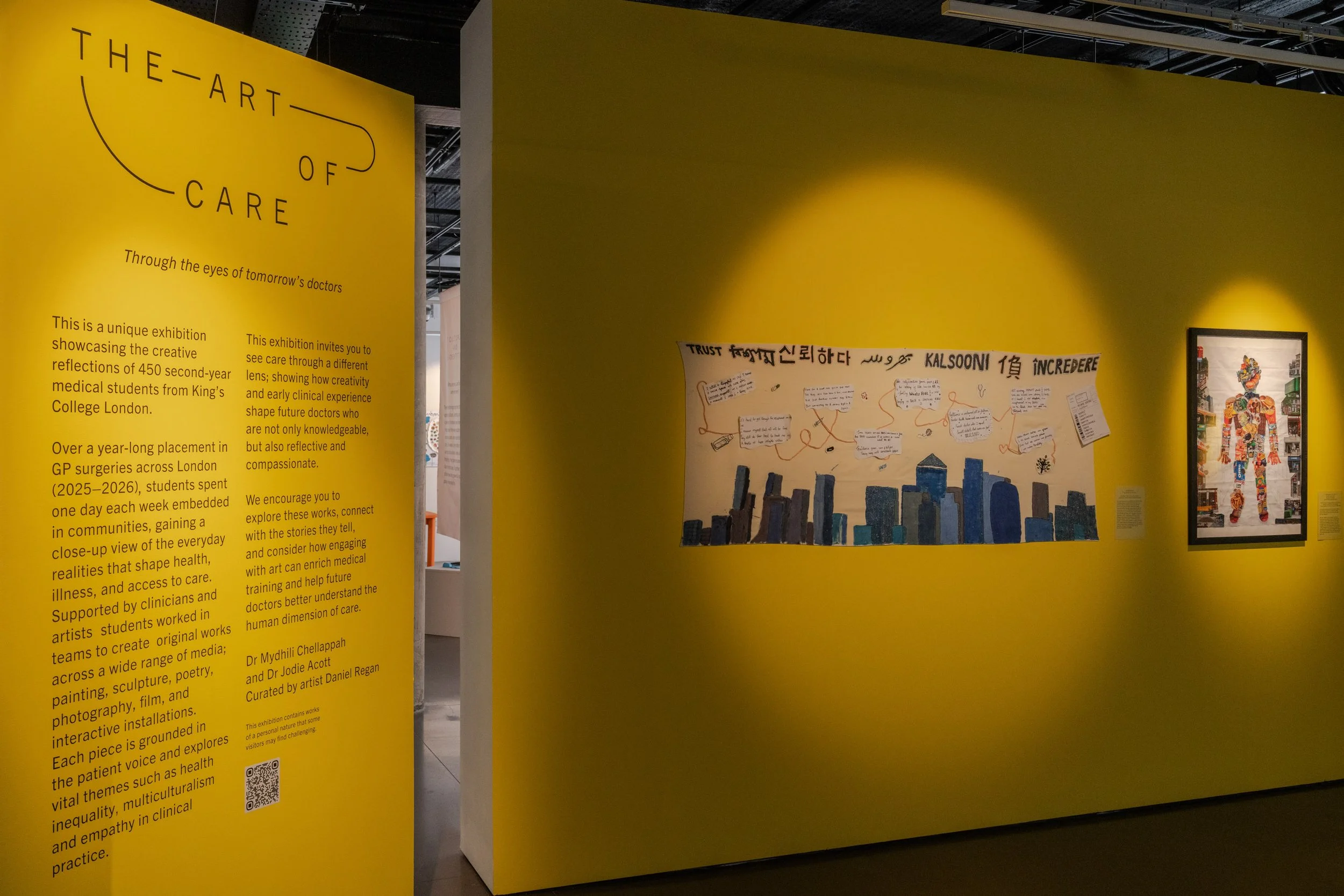
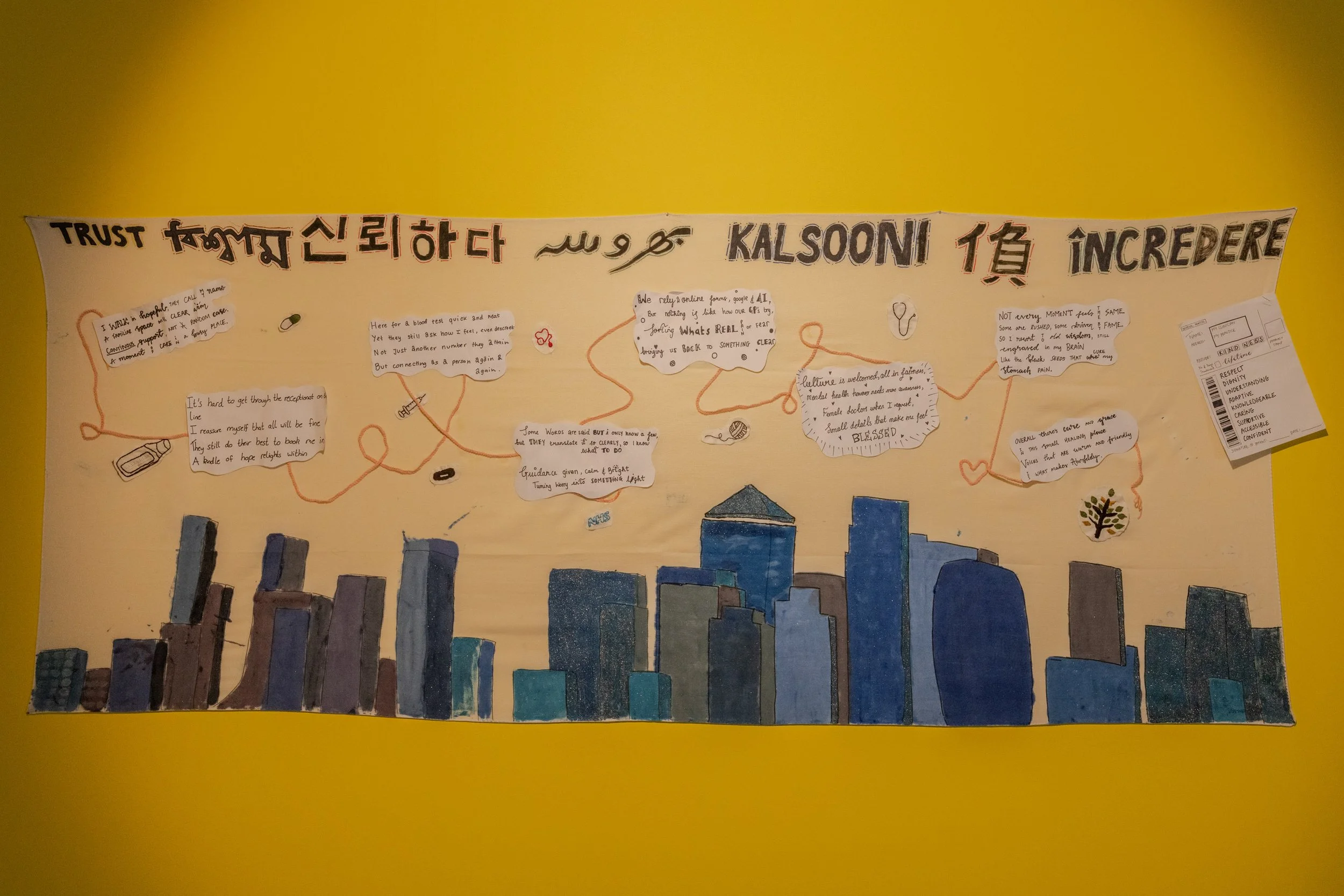
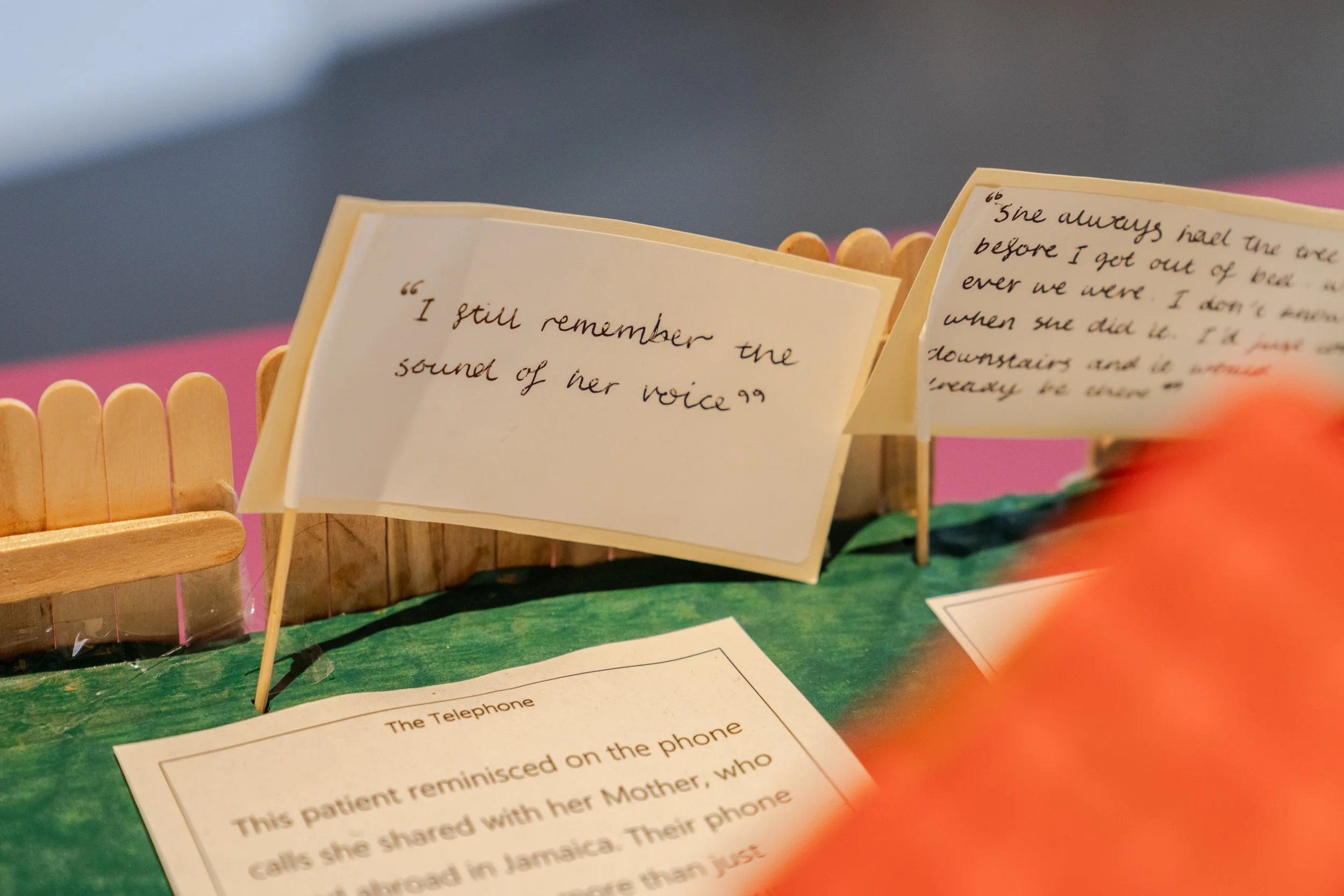
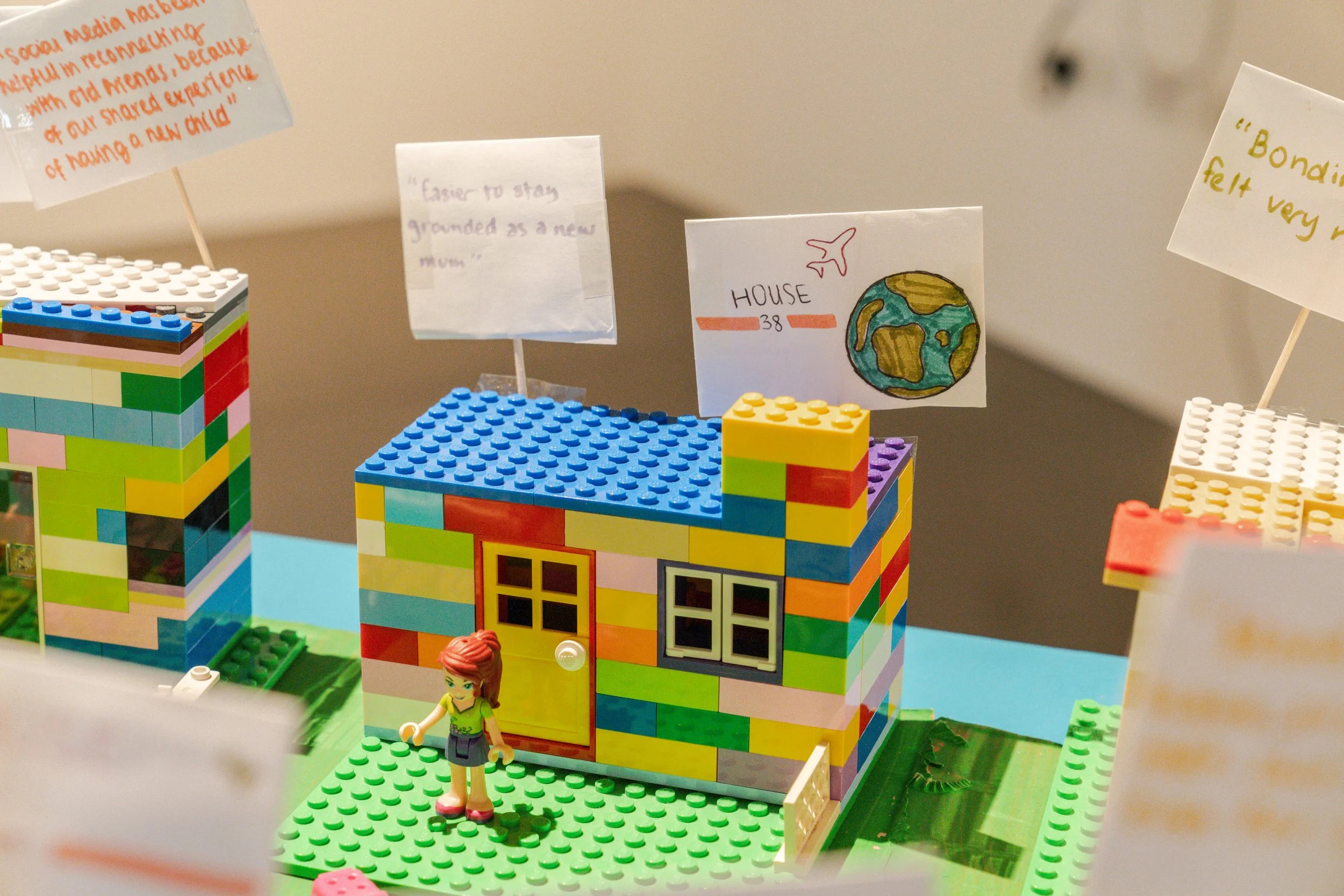
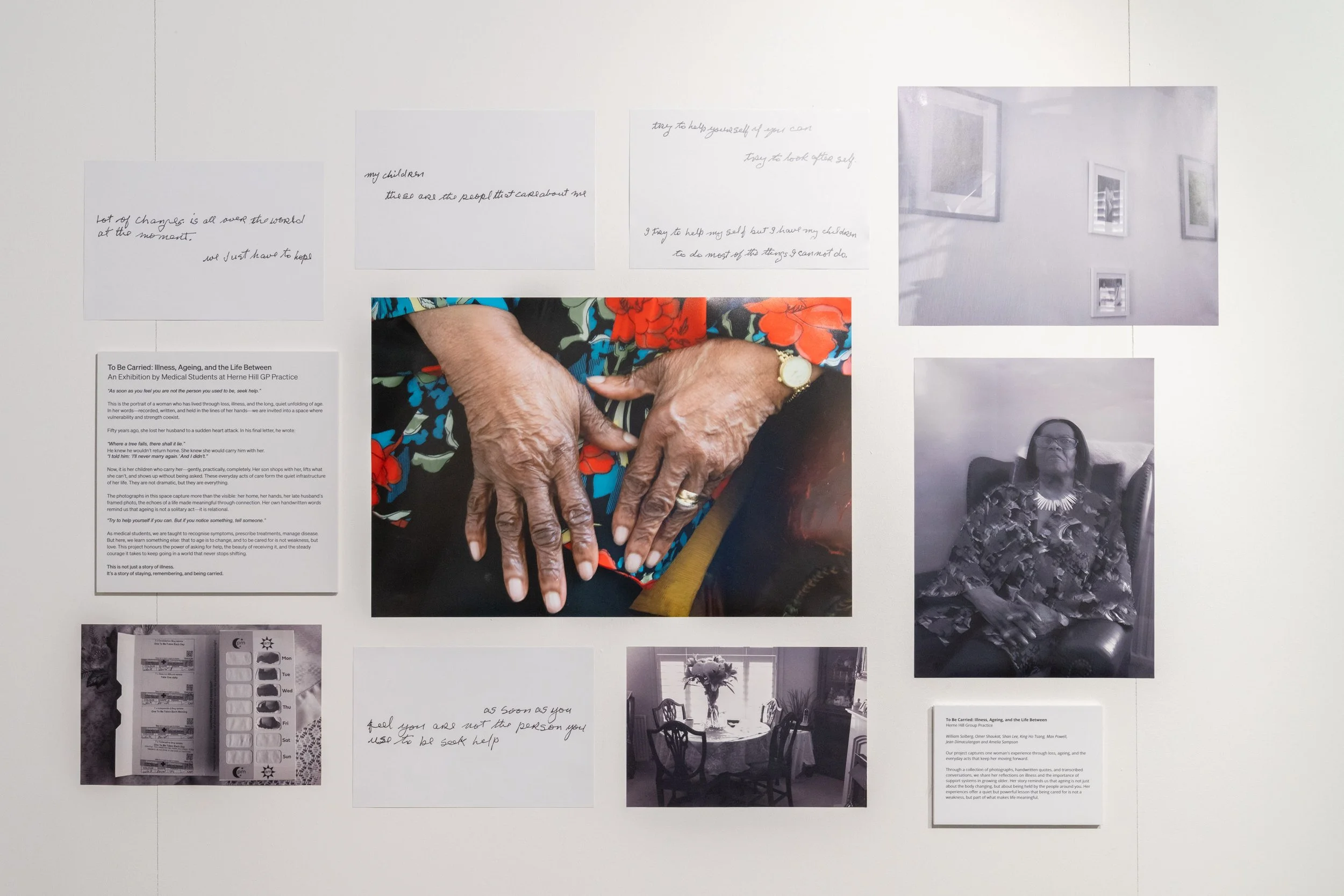
Launched in 2017, this assignment was created to help medical students explore the human dimension of clinical care - recognising that understanding people is just as vital as understanding disease. As part of their year-long GP placement, second-year students work in teams to reflect on real patient encounters. Each group is supported by both a clinician and an artist, combining clinical experience with creative insight to encourage students to consider patients’ stories in a broader, more reflective way.
Alongside this, students take part in museum-based teaching at the Wellcome Collection, where they use the artworks to practice observation, interpretation, and reflective skills. These sessions help students deepen their understanding of how medicine is shaped by culture, context, and perspective.
The assignment was developed with support from King’s Culture, whose early involvement helped recruit experienced artist-educators and shape a learning environment that values curiosity, collaboration, and open dialogue. Over time, the programme has grown into a core part of the curriculum, now reaching all second-year medical students and recognised nationally as a leading example of clinical humanities in action.
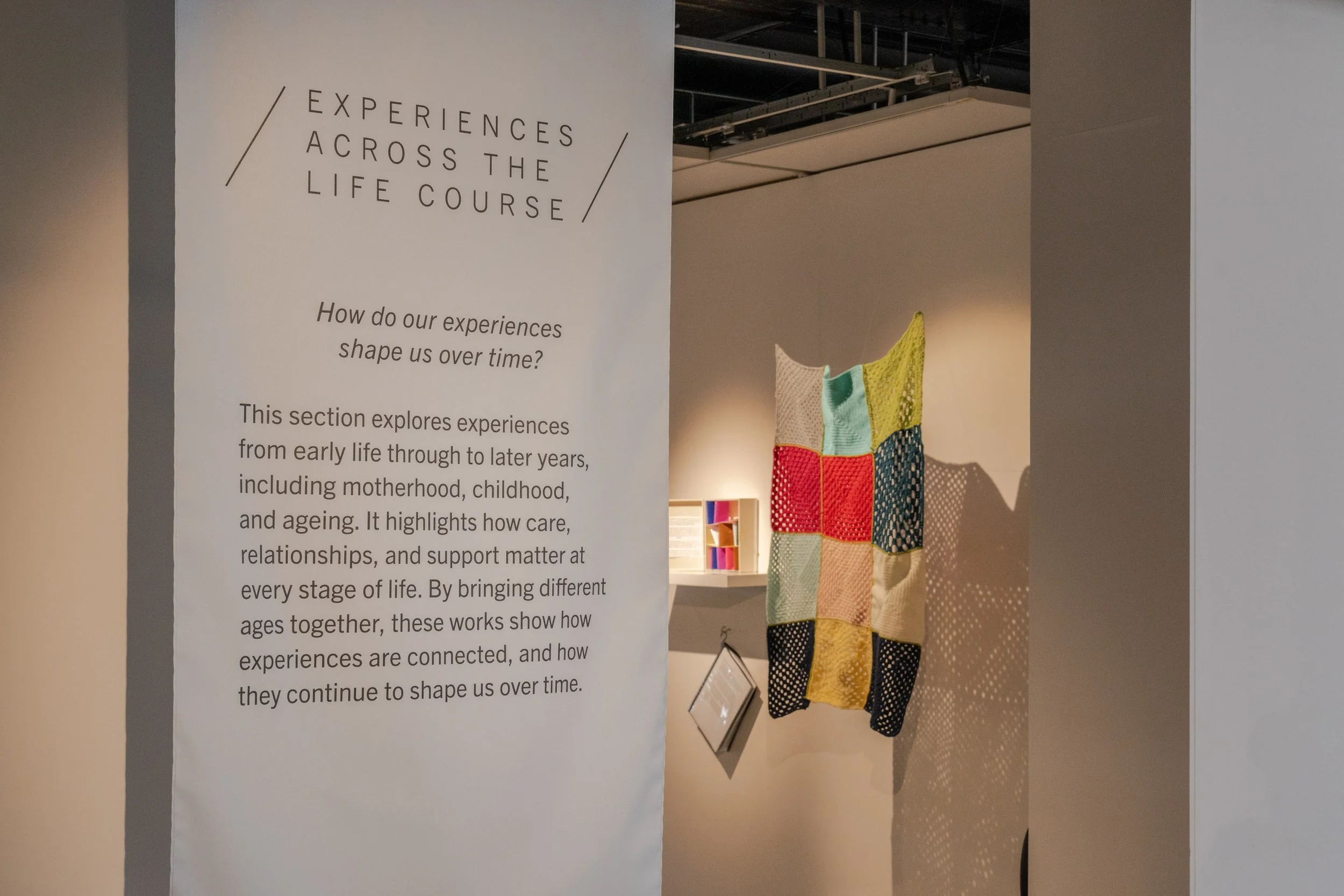
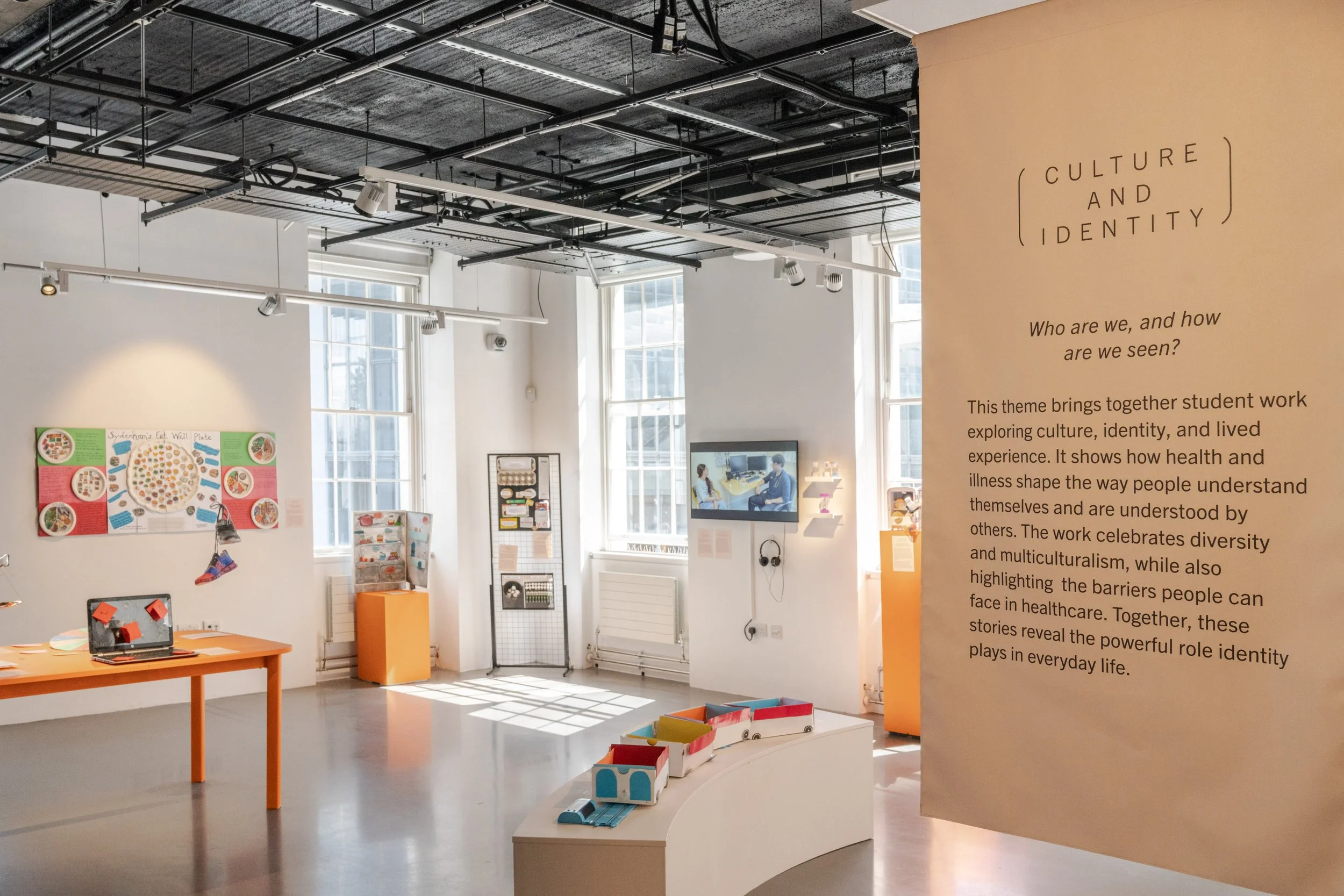
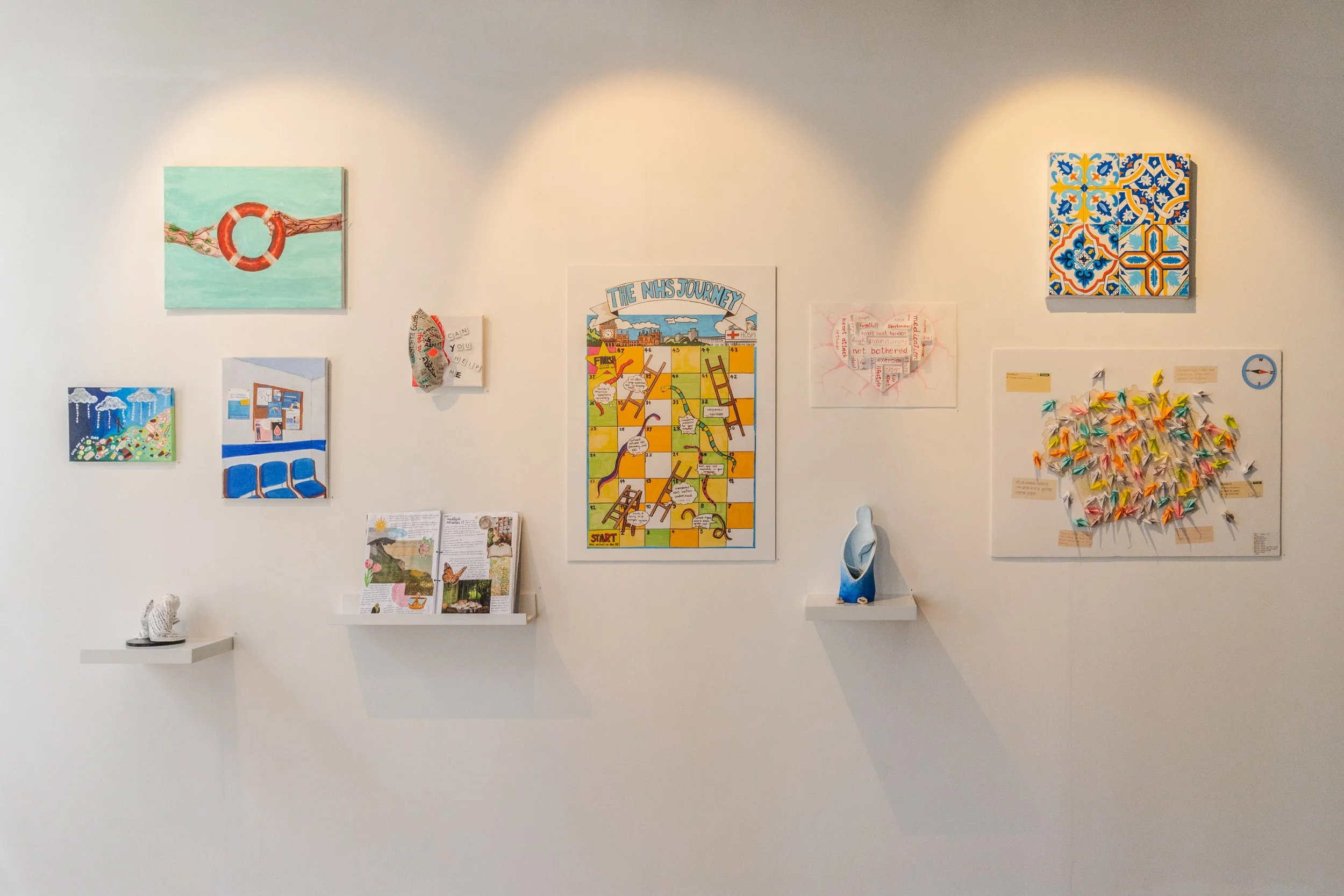
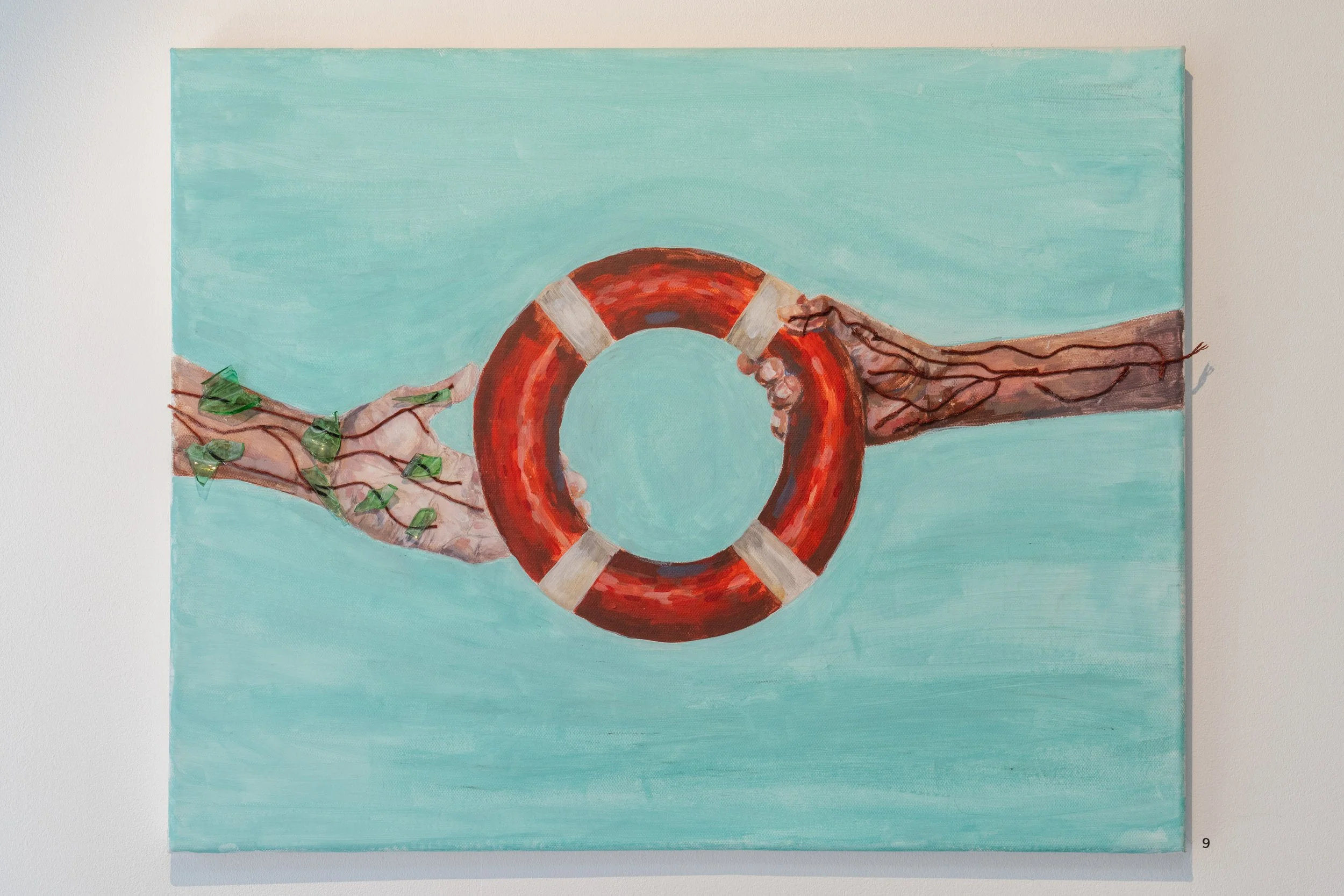
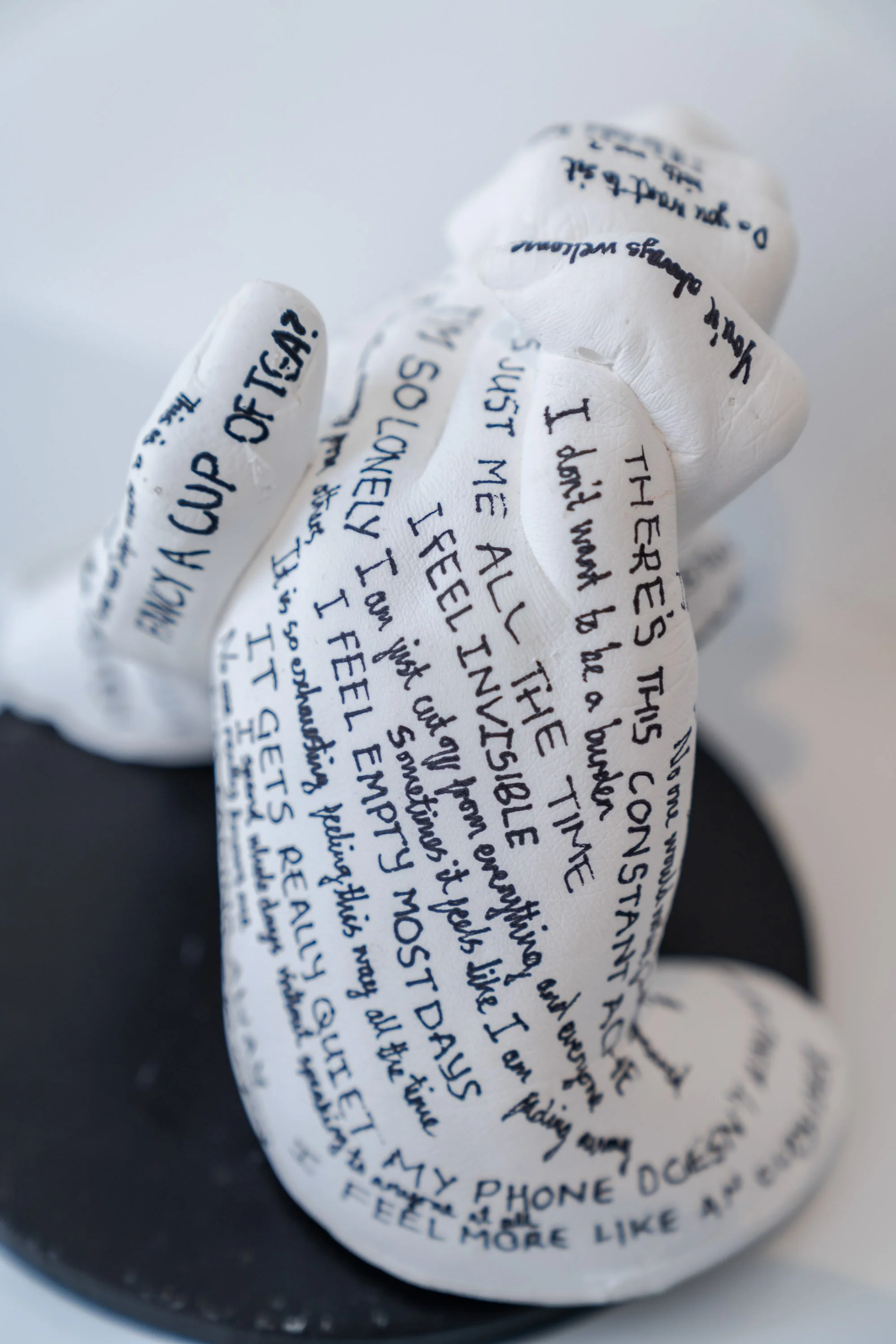
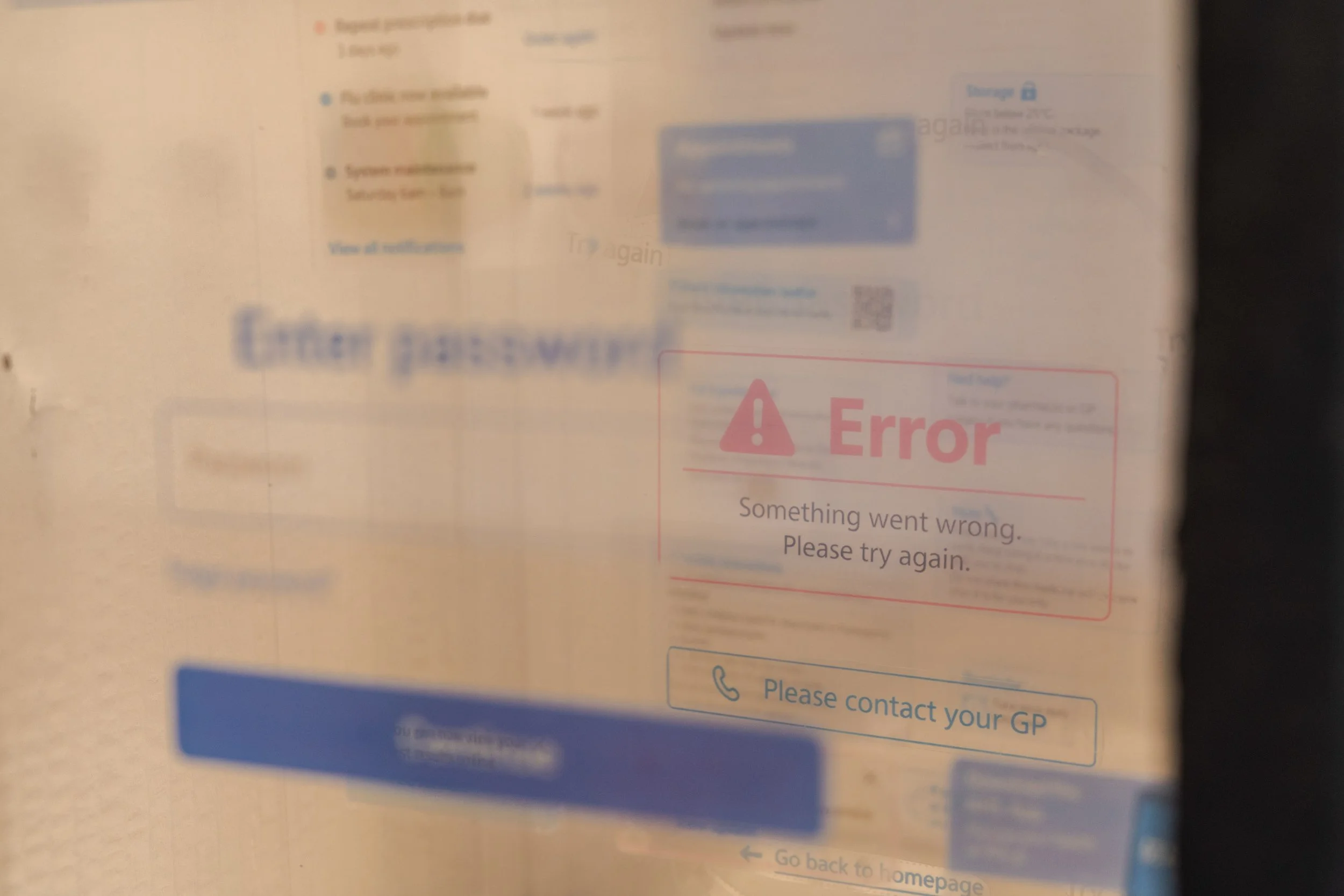
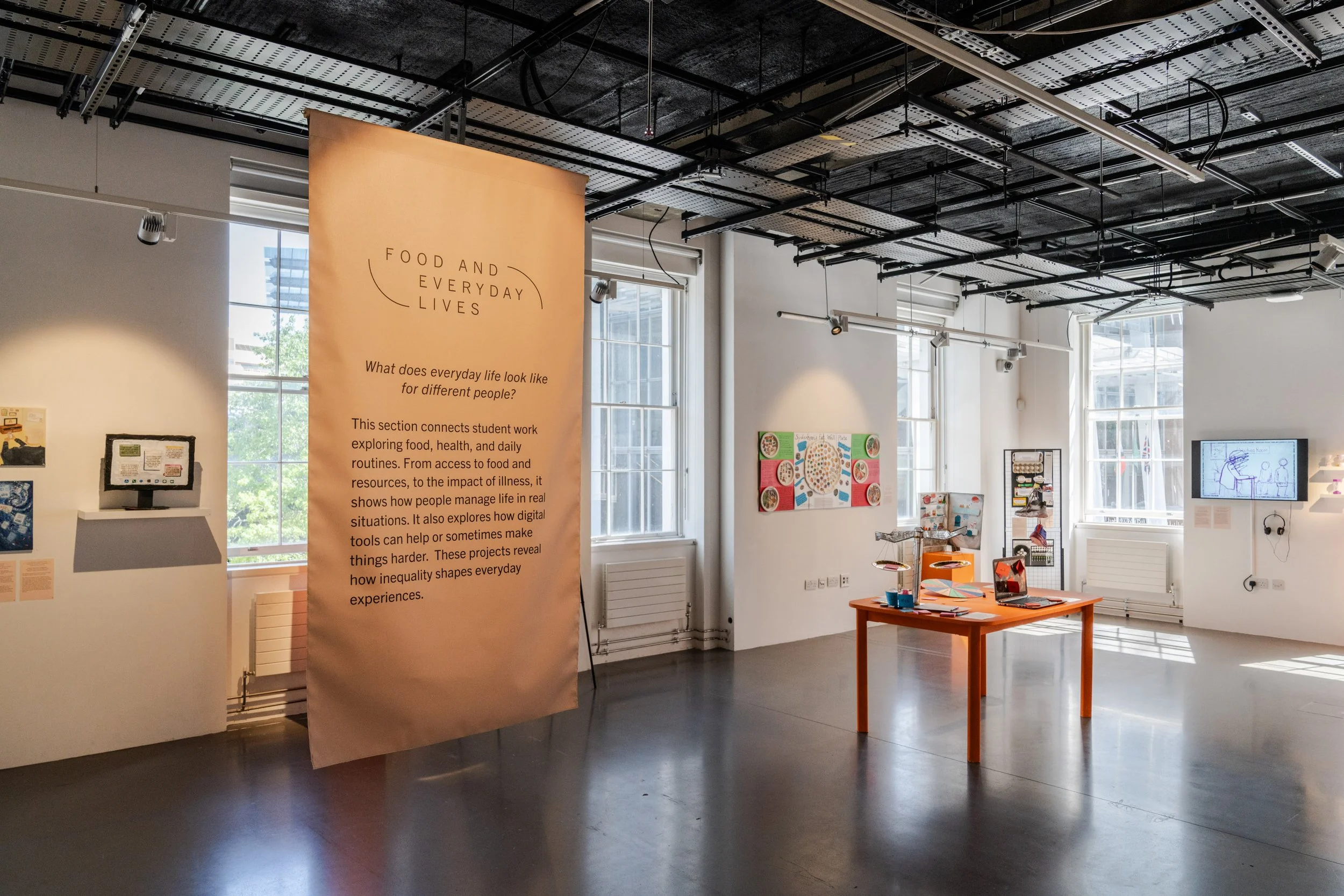
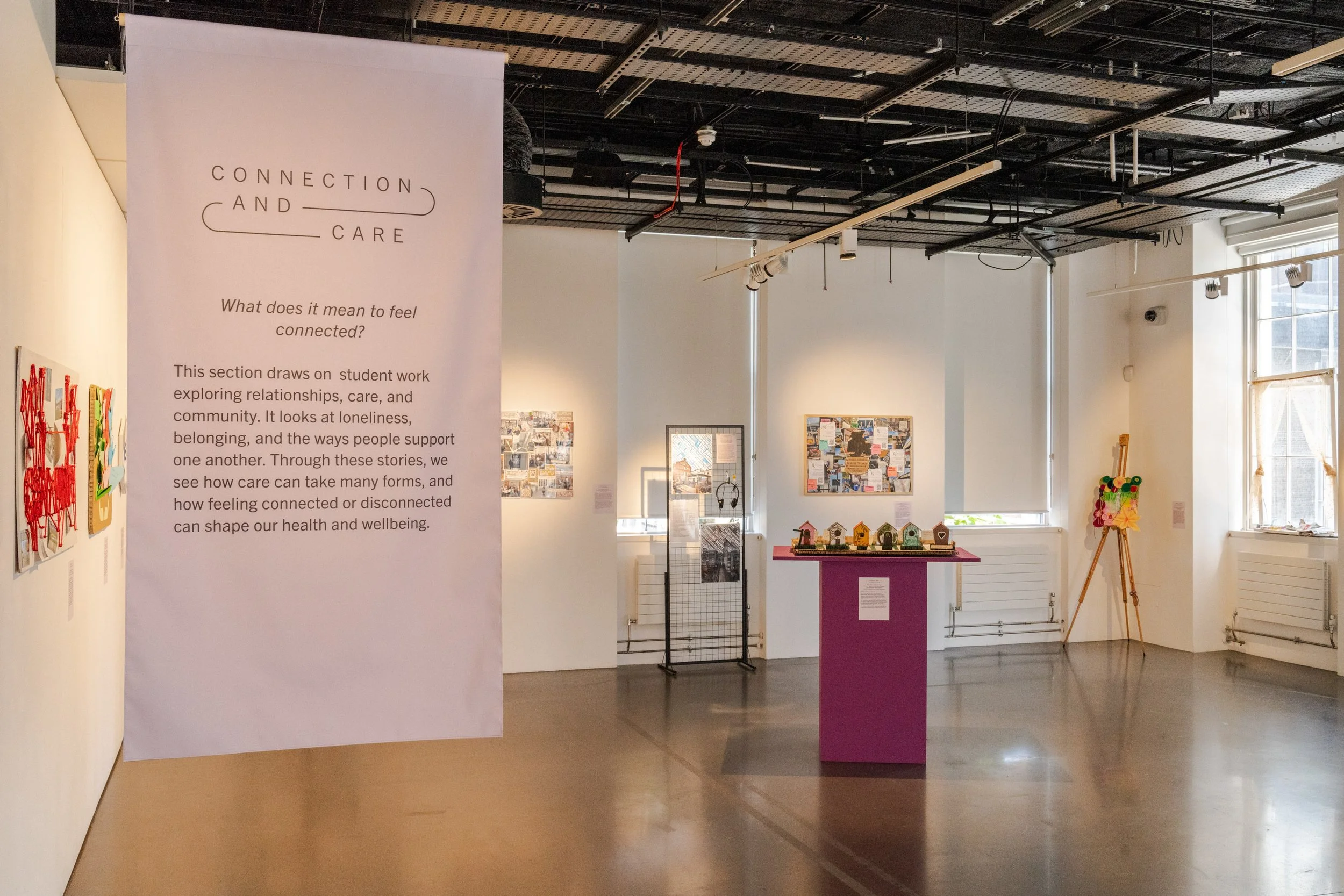
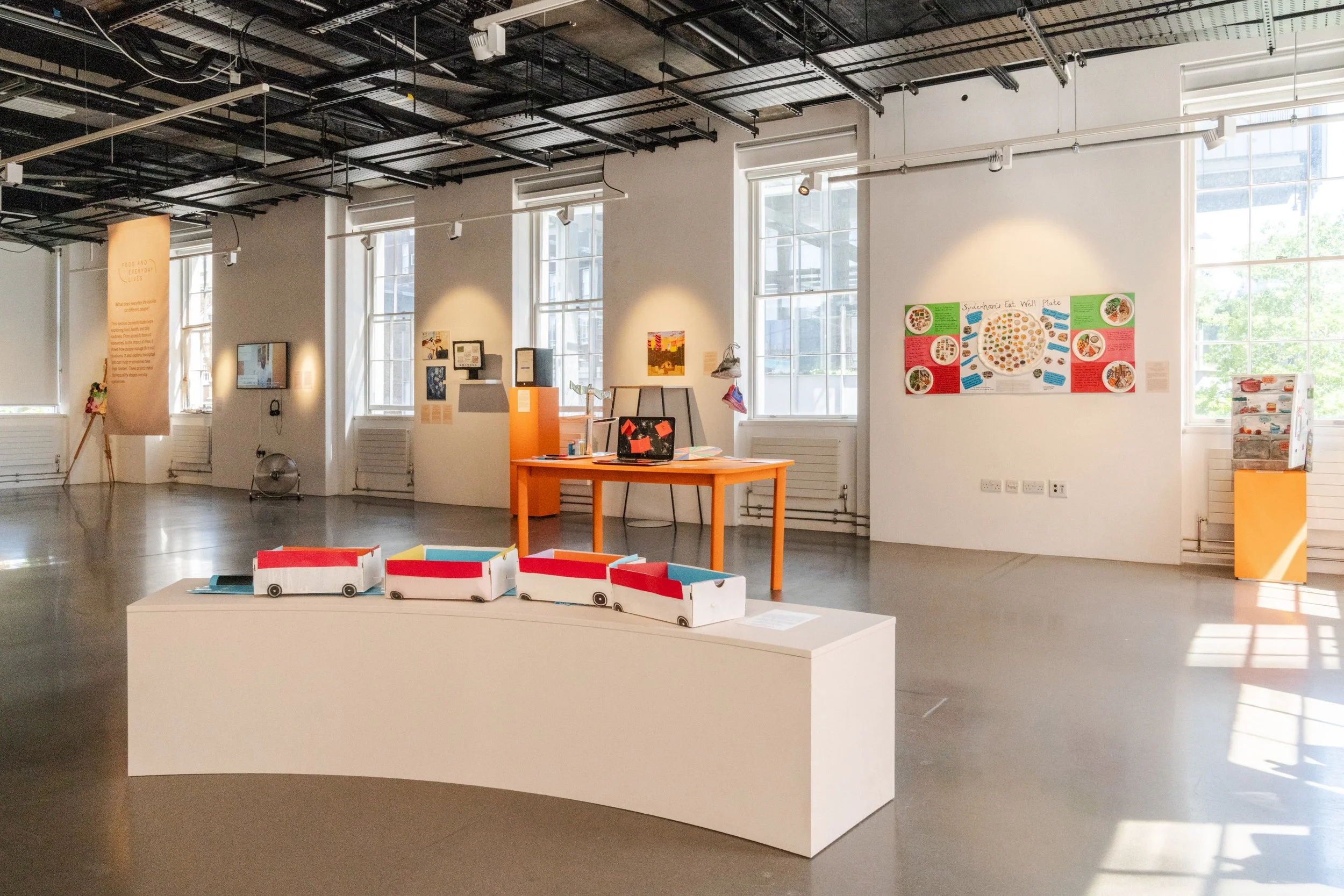
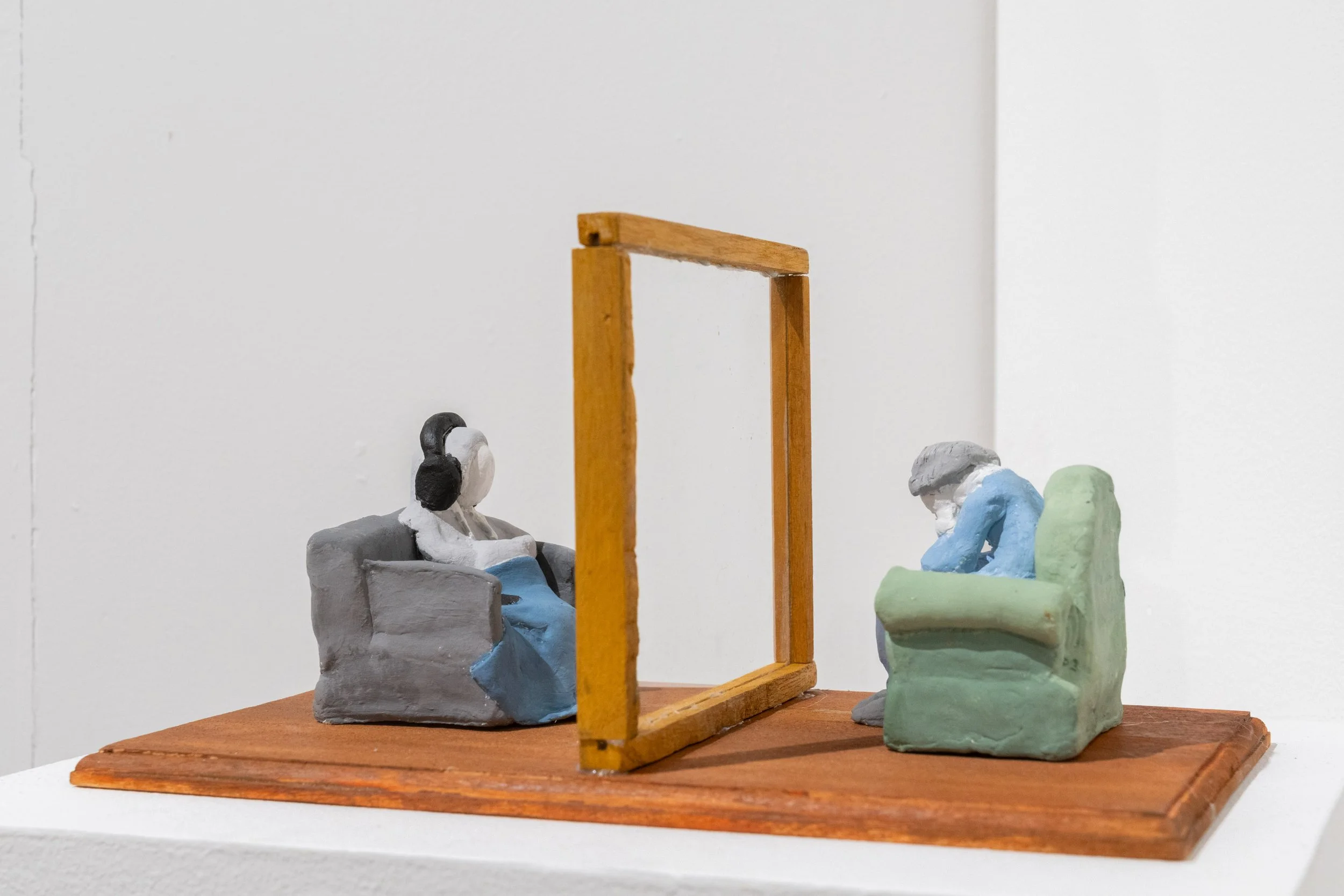
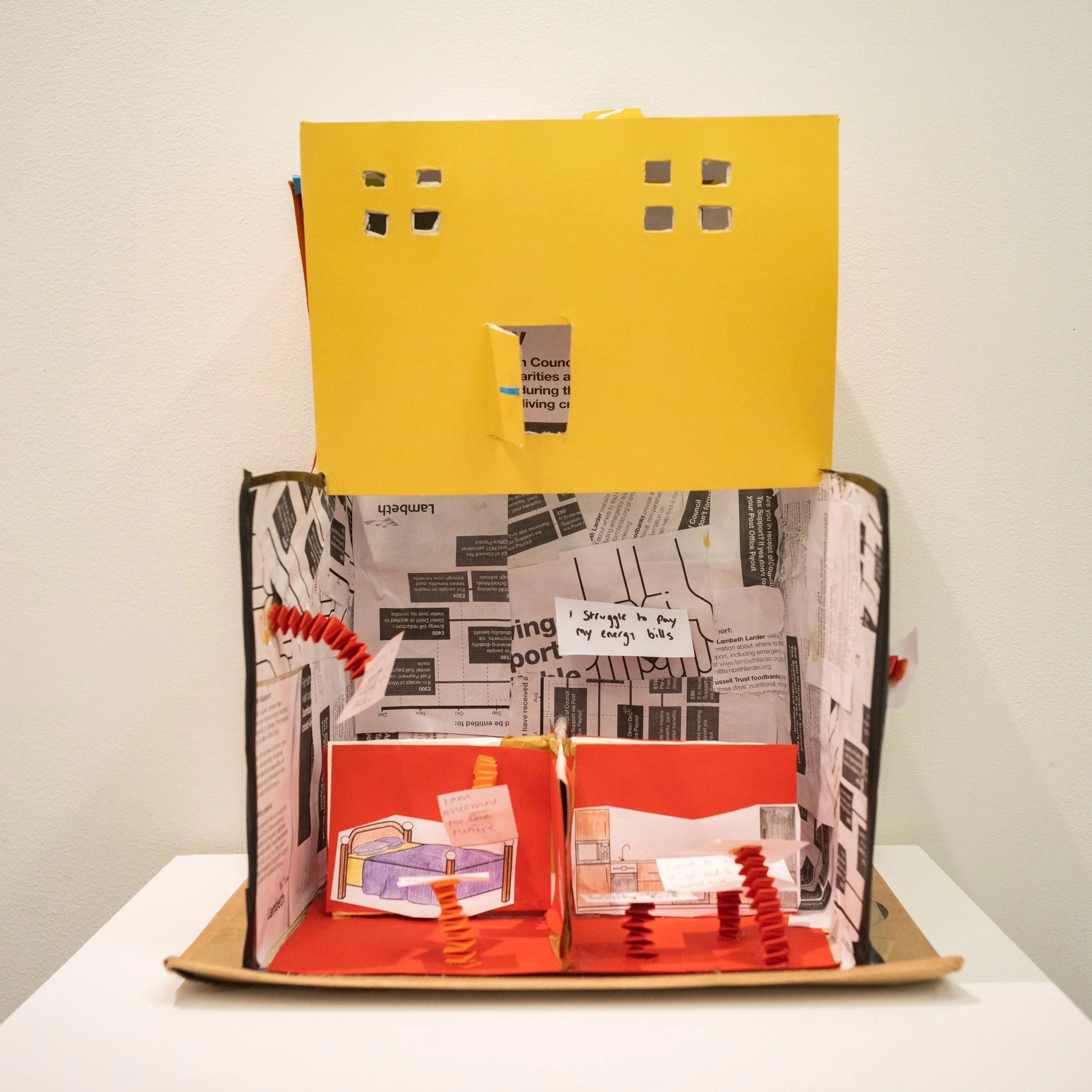
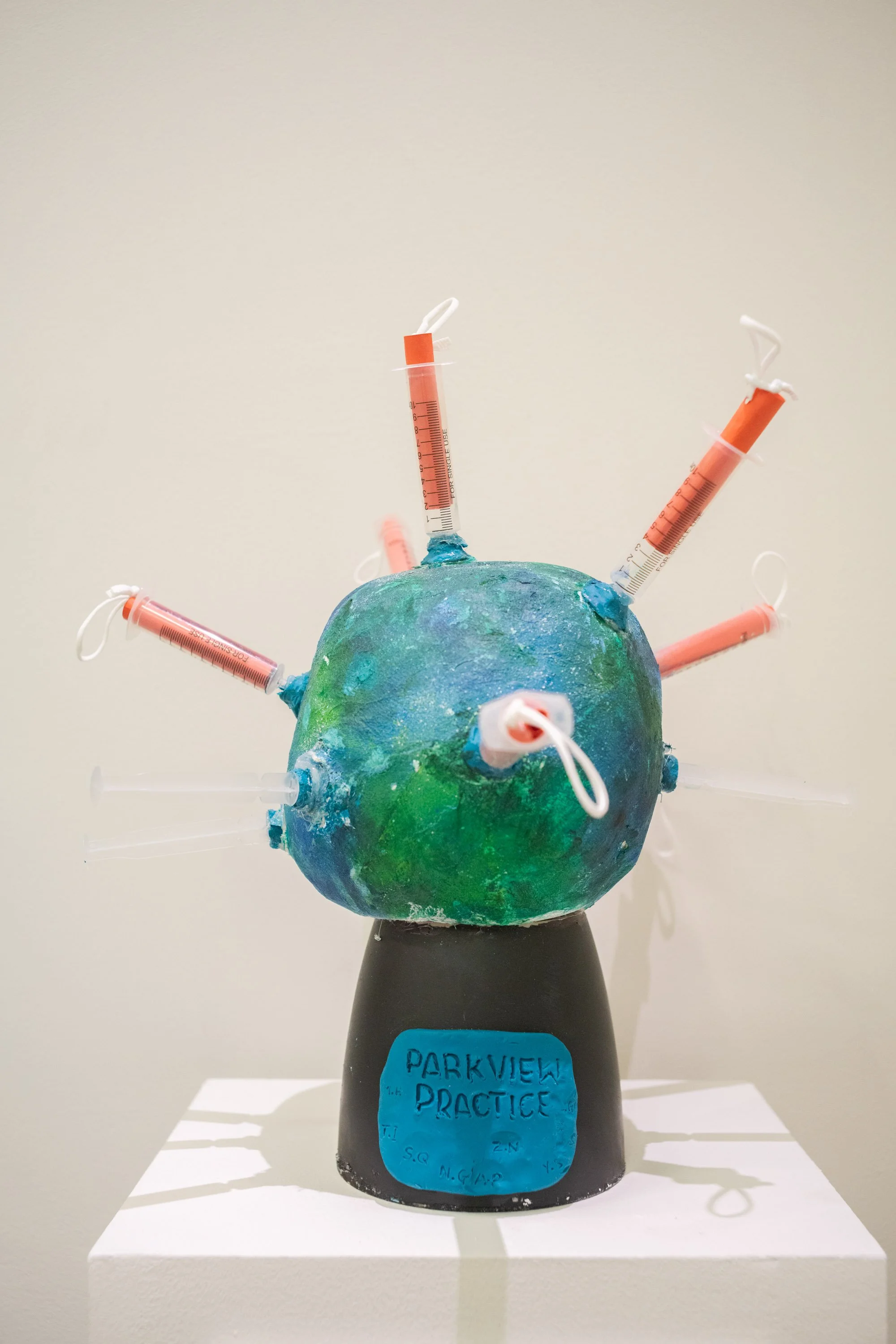
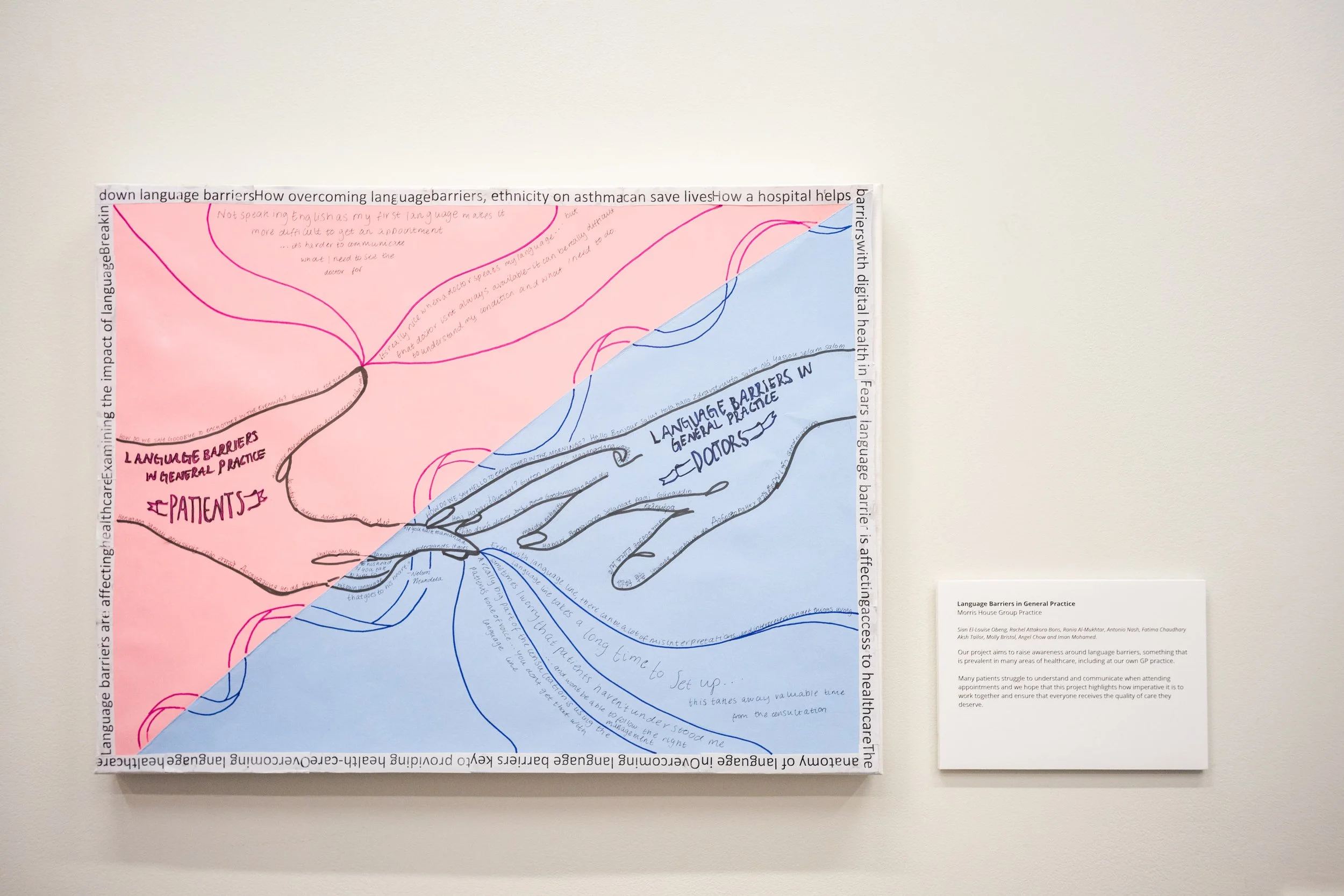
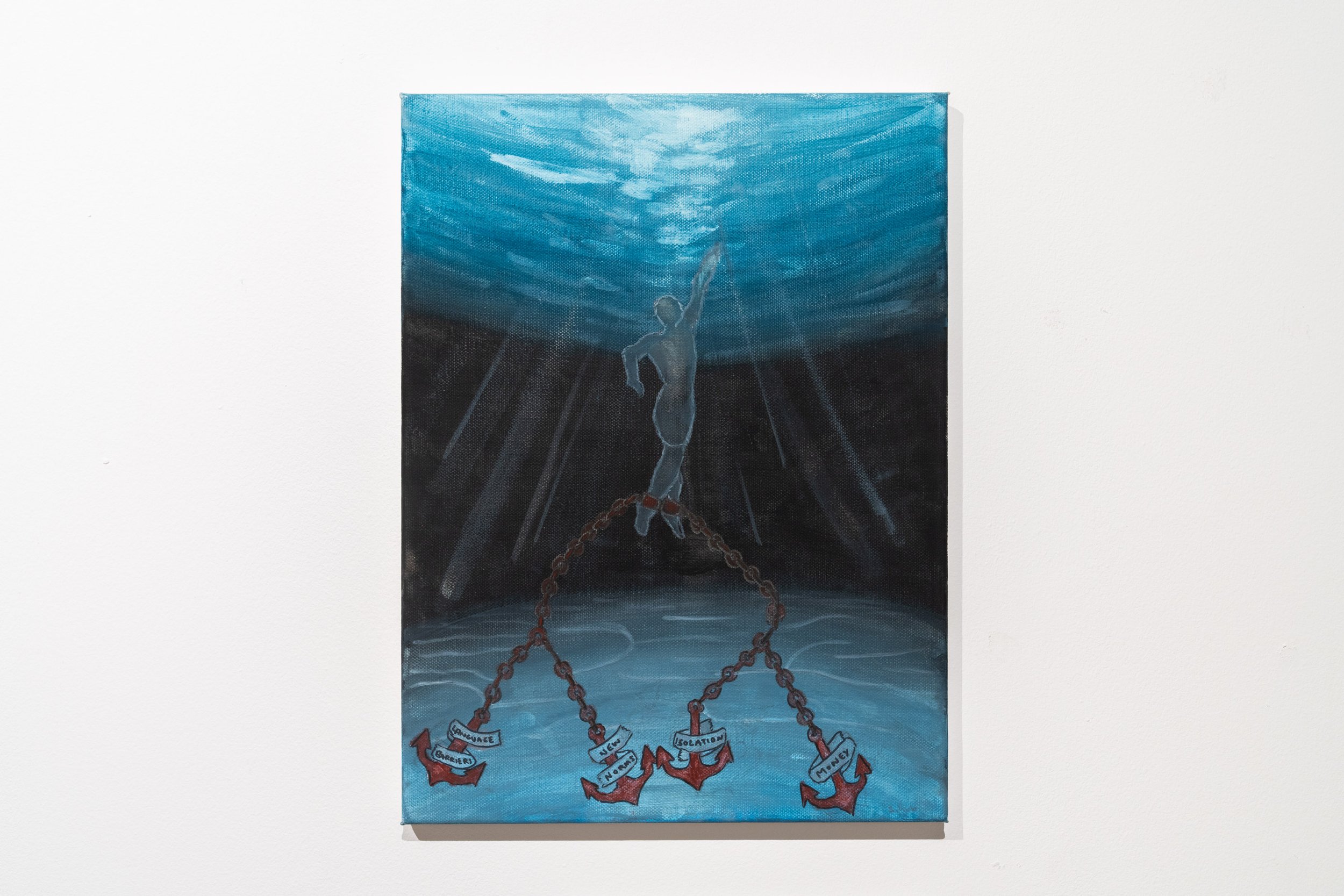
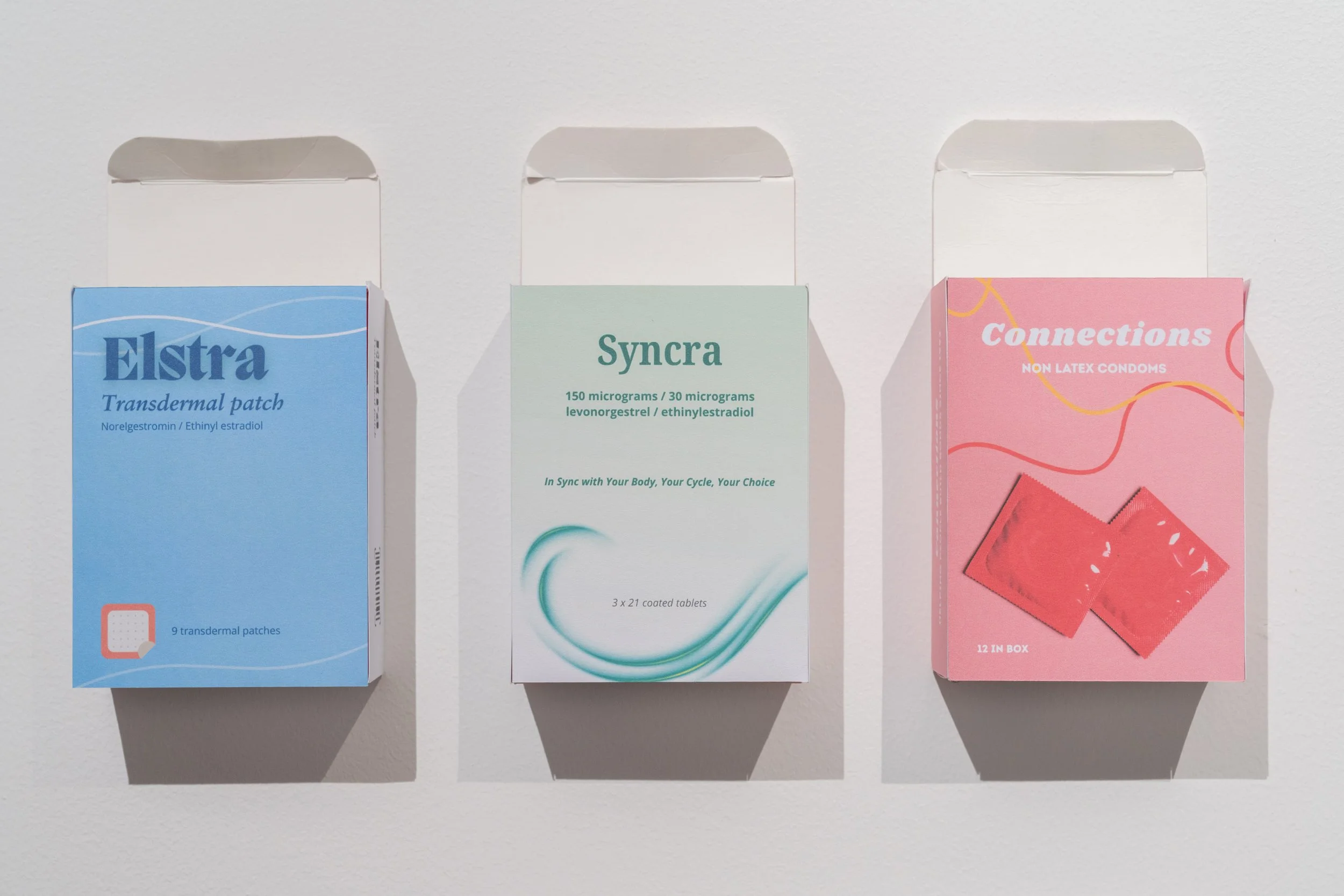
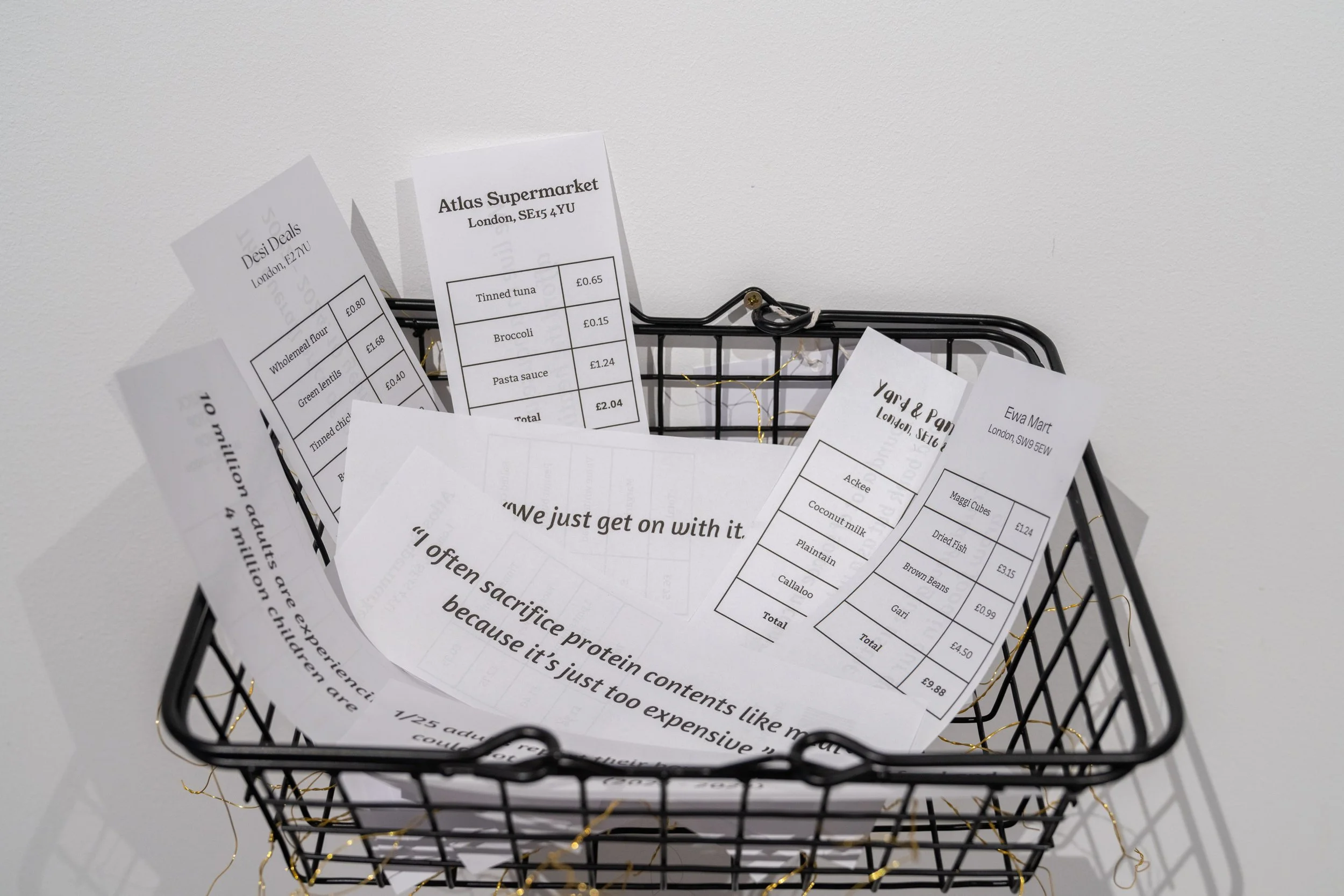
Since 2022 I have been the annual exhibition curator, with exhibitions taking place at Science Gallery London and King’s College at Somerset House. The student works showcase how creative reflection can shape more compassionate, curious, and person-centred future doctors.
Across the 2026 exhibition duration I curated a series of participatory events focusing on the role that creativity can play in supporting the mental health of doctors, funded by the Louise Tebboth Foundation.
“Daniel has been a founding facilitator on my clinical humanities programme at the medical school . His commitment to developing holistic care skills in our junior students is vital for patient care in the future. He is a valued member of our team and his thoughtful and inclusive work curating students art work for public exhibition is highly valued by academic communities and the public alike. ”